

A rental bedroom can feel personal without risking walls, floors, fixtures, or your deposit.
These Renter Friendly Bedroom Ideas bring in color, texture, storage, and better lighting through movable, reversible, and carefully tested updates.
You will find practical options for plain walls, dated headboards, limited closets, visible cords, unattractive flooring, and cramped bedside areas. Each solution considers lease restrictions, surface protection, safe installation, and eventual removal. In my experience, the smartest rental updates improve daily comfort while making restoration simple at move-out. Always review your lease and test temporary products in a hidden area before committing. Start with one feature that bothers you most, then build a bedroom that feels warmer, more useful, and genuinely yours.
Table of Contents
Lease Condition Record
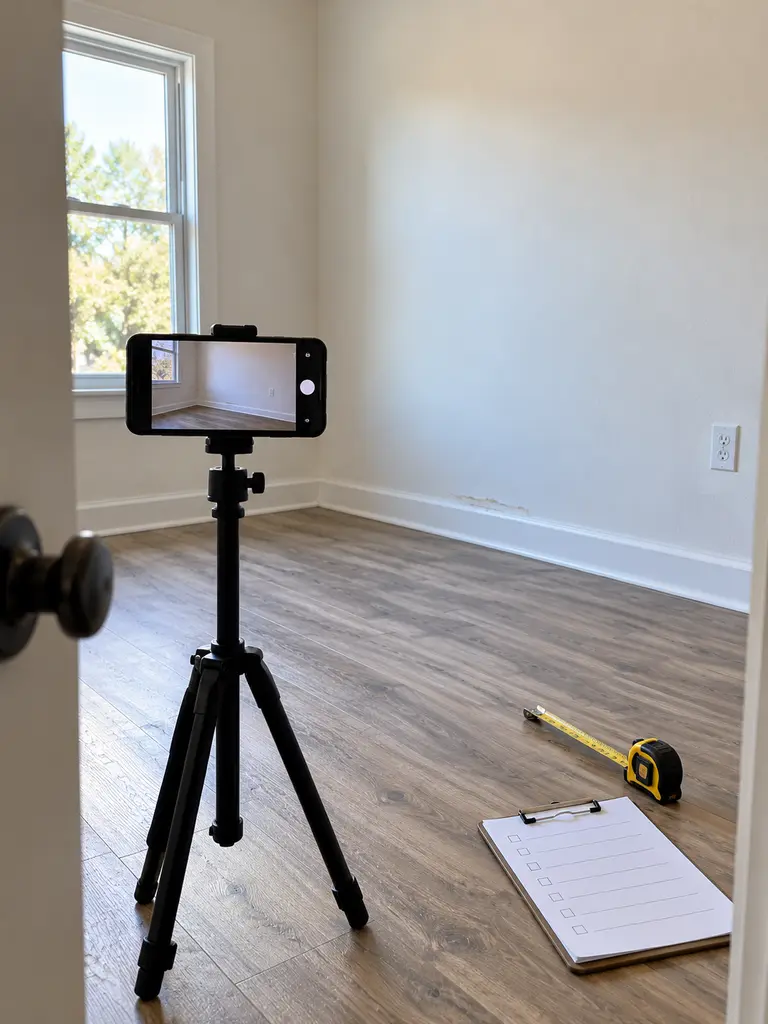
Small decorating changes feel safer when the bedroom’s starting condition is clearly documented. Photograph every wall, floor edge, window frame, door, outlet, fixture, and existing mark in bright daylight. Include wide room views and close details, then save the original files with the move-in date.
Review the lease before applying any renter friendly bedroom ideas, since rules differ between properties. In my experience, a simple photo record prevents confusion about marks that existed before decorating began. Keep receipts and product instructions too, especially for removable supports, floor protectors, and temporary surface treatments.
Freestanding Color Wall

- Build visual impact without asking the painted wall to support anything.
- Choose a lightweight folding screen or stable backdrop that extends slightly beyond the bed.
- Use fabric, removable panel inserts, or painted boards that belong to the structure itself.
- Add nonslip feet so the backdrop cannot shift against the floor.
- Maintain access to outlets, vents, windows, and bedside routes.
A freestanding color wall gives the bed a strong focal background while remaining movable at inspection or move-out time. Keep the structure stable, proportionate, and slightly separated from damp exterior walls. Repeating its color through two or three textiles will make the addition feel connected rather than temporary.
Tension-Rod Bed Crown

Quick Tip:
Use this treatment only inside a strong, suitable alcove where both rod ends can sit securely. Follow the manufacturer’s width and weight limits, and choose very lightweight fabric that cannot pull the rod loose.
A fabric crown can soften the bed area and introduce height without drilling overhead. Keep material away from lights, heaters, vents, and sleeping faces, and test the rod regularly for movement. If the alcove walls are textured or delicate, skip the setup rather than risking pressure marks or slipping hardware.
Slipcover Headboard Refresh

BEFORE:
The existing headboard clashes with the room’s preferred colors or feels worn, but replacing or reupholstering it would be expensive and permanent. Its original surface still needs protection.
AFTER:
A fitted washable cover changes the texture and palette while preserving the headboard underneath. The cover can be removed for cleaning, seasonal updates, or move-out.
A tailored slipcover makes an existing bed feel intentional without glue, staples, or paint. Measure the complete width, height, and thickness before sewing or ordering one, and choose a secure closure that stays behind the headboard. Breathable upholstery fabric generally sits more neatly than thin, stretchy material.
Clip-On Reading Glow

- Inspect the attachment point. Choose a solid shelf or headboard edge that can support the padded clip.
- Test the grip. Add a protective fabric layer if the clip could mark the finish.
- Aim the beam. Direct light toward the book without shining across the other side of the bed.
- Route the cord. Keep wiring away from bedding, pathways, and moving furniture.
- Check heat output. Use an appropriate cool-running bulb and follow product instructions.
A clip-on light creates focused illumination without adding holes or occupying the nightstand. Select a model with a flexible neck, padded clamp, and reachable switch. Remove it occasionally to inspect the contact surface, since pressure and trapped dust can leave marks even when the attachment appears soft.
Plug-In Sconce Balance

| Feature | Hardwired Sconce | Plug-In Sconce |
|---|---|---|
| Electrical work | Usually required | Uses an existing outlet |
| Relocation | Difficult | Easier to reposition |
| Cord visibility | Concealed in wall | Requires careful routing |
| Rental suitability | Needs approval | Depends on mounting method |
Plug-in sconces free bedside surfaces and give both sides of the bed consistent light without permanent electrical changes. Before mounting, confirm which supports the lease permits and test removable products on a hidden area. Keep cords straight, accessible, and away from pillows, heat sources, and active walking paths.
Existing-Rod Curtain Swap

DO
- Measure the installed rod and window before buying panels.
- Choose fabric that supports the required privacy and light control.
- Confirm that the rod can hold the new curtain weight.
- Store the original panels cleanly for move-out.
DON’T
- Replace landlord-owned hardware without written permission.
- Let fabric cover heaters or ventilation openings.
- Choose panels that drag across the floor.
- Discard any original rental fittings.
Changing only the panels introduces color and softness without altering the window installation. Select washable fabric with a clear care label, and check how it appears in daylight and after dark. Returning the original curtains at move-out becomes easy when they are labeled, folded, and stored in a dry protective bag.
Rug-Layer Floor Update

Cost: Moderate, depending on size and material
Setup Time: About one hour
Best For: Worn carpet, plain laminate, or visually cold flooring
Result: Softer texture and a more defined sleeping area
A correctly sized rug can cover an unattractive rental floor while making the bed area feel warmer and more complete. Use a nonslip underlay approved for the existing surface, and lift it periodically to check for trapped moisture, discoloration, or grit. Avoid adhesive products unless the property manager approves them.
Dresser-Top Art Ledge

A wide dresser can support a layered art display without creating several holes across the wall. Place the largest lightweight frame at the back, add one smaller piece in front, and leave part of the surface open for daily use. Protective pads prevent frames from scratching the furniture.
Keep artwork stable by using tabletop stands or discreet supports designed for the frame size. I’ve noticed that two or three coordinated pieces look calmer than a crowded row. Avoid tall, heavy frames near the edge, and check that the arrangement cannot tip during drawer use or cleaning.
Low-Tack Frame Grid

- Create the full arrangement on the floor before attaching anything to the wall.
- Choose lightweight frames with smooth, clean backs and no projecting hardware.
- Test every removable support on a hidden section for the recommended waiting period.
- Follow surface preparation, weight limits, and removal instructions exactly.
- Keep spare supports available in case one attachment begins to loosen.
A measured frame grid adds structure to a plain wall while using fewer decorative pieces than a scattered gallery. Removable does not mean risk-free, especially on fresh, textured, or poorly bonded paint. Photograph the arrangement, inspect the supports regularly, and remove each strip slowly according to its instructions.
Fabric Feature Panel

Quick Tip:
Stretch the chosen fabric across a lightweight folding frame instead of attaching it directly to the wall. Secure every edge to the frame itself, keep the base stable, and select breathable material that can be removed and washed.
A freestanding fabric panel introduces pattern behind a bed, desk, or reading chair without testing the rental paint. Choose a print large enough to remain visible from across the room, then repeat one color through nearby cushions or bedding. Maintain airflow behind the panel and inspect the floor protectors periodically.
Over-Door Vanity Station

BEFORE:
Beauty products and grooming tools spread across the dresser because the bedroom lacks a dedicated vanity. Adding another floor unit would make the room feel tighter.
AFTER:
A padded over-door organizer creates vertical storage for compact essentials while a lightweight mirror supports the routine. The dresser becomes easier to clear and use.
An over-door station works only when the door can close, latch, and move freely with the organizer installed. Check the permitted door clearance, protect both faces from rubbing, and keep heavy or breakable products elsewhere. Remove excess items so pockets do not pull the unit out of alignment.
Bedside C-Table
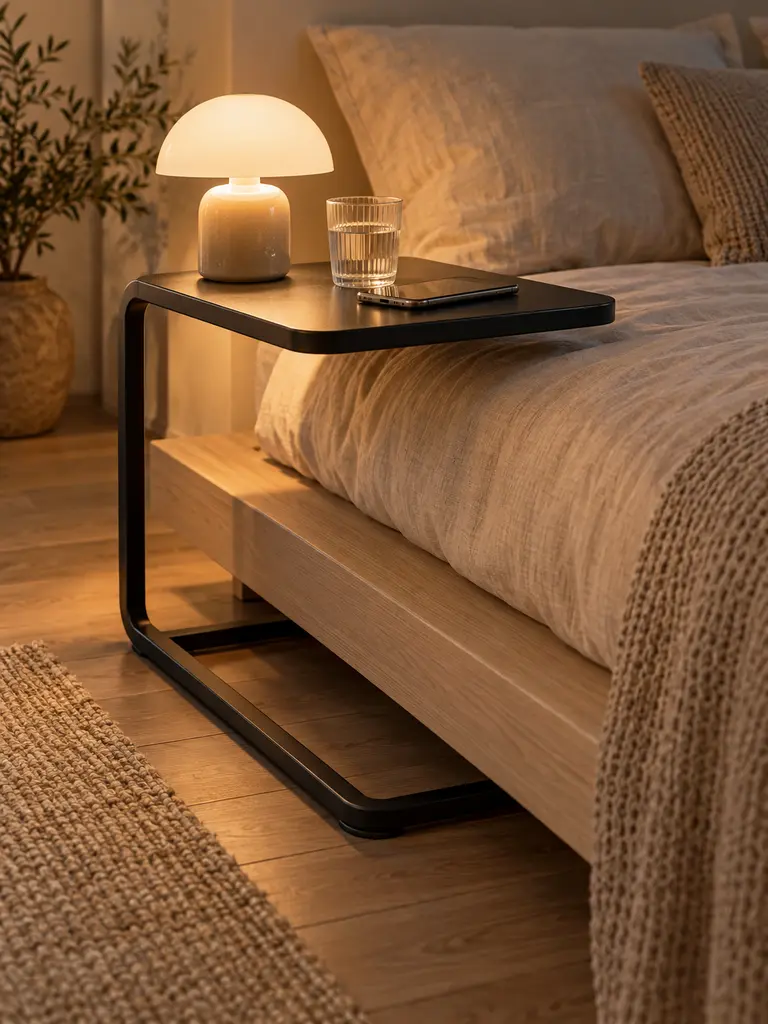
- Measure the bed base. Confirm that the lower frame allows the table foot to slide underneath.
- Choose the correct height. Keep the surface comfortable to reach without stretching.
- Check the edges. Select rounded corners for narrow bedside passages.
- Test loaded stability. Place a lamp, water glass, and phone on top before daily use.
- Protect the floor. Add suitable pads beneath the base.
A C-table provides a movable bedside surface without drilling or filling the room with a conventional nightstand. It can shift toward a chair or desk when needed, which makes the purchase more versatile. Keep the tabletop lightly styled, and confirm that its base never catches bedding or blocks nighttime movement.
Before selecting the table size, review these Small Bedroom Layout Ideas to protect bedside clearance, wardrobe access, and comfortable nighttime movement.
Freestanding Garment Nook

| Feature | Overfilled Closet | Garment Nook |
|---|---|---|
| Clothing visibility | Items become compressed | Current pieces stay visible |
| Floor use | Existing closet only | Requires a compact footprint |
| Flexibility | Fixed interior | Rack can be relocated |
| Best contents | Mixed wardrobe | Frequently worn clothing |
A freestanding rack can relieve a crowded closet and create a focused dressing zone without installing rails. Choose a stable model with a stated load capacity, then limit it to current-season garments. Matching hangers, one lower shoe shelf, and a nearby laundry basket help the open arrangement remain visually controlled.
If the rental lacks built-in clothing space, these No Closet Bedroom Storage Ideas provide additional ways to organize garments, shoes, and accessories without permanent construction.
Screened Work Corner

DO
- Choose an open or translucent screen that allows daylight through.
- Position the divider beyond chair and door movement.
- Add nonslip feet beneath the frame.
- Keep cables on the workspace side.
DON’T
- Use a heavy unstable panel in a narrow route.
- Block ventilation, windows, or emergency access.
- Treat the screen as load-bearing storage.
- Allow fabric sections to touch heaters.
A movable screen gives a compact desk visual separation from the sleeping area without building a wall. Keep the height proportionate to the room and leave enough open space around both zones. Folding models are especially useful because they can be reduced or stored when the workspace is not needed.
For open-plan rentals where the bedroom shares space with other activities, explore these Layout Ideas For Studio Apartments using movable boundaries, lighting, rugs, and flexible furniture.
Mirror Easel Station

Cost: Low to moderate
Setup Time: Around thirty minutes
Best For: Bedrooms where wall anchors are restricted
Result: A movable full-length dressing mirror
A floor easel lets a lightweight mirror stand independently while adding a studio-like detail to the bedroom. Choose an easel rated for the mirror’s dimensions and weight, add nonslip feet, and position it outside the walking path. Test stability carefully, especially in homes with children or pets.
Underbed Wheel Cases
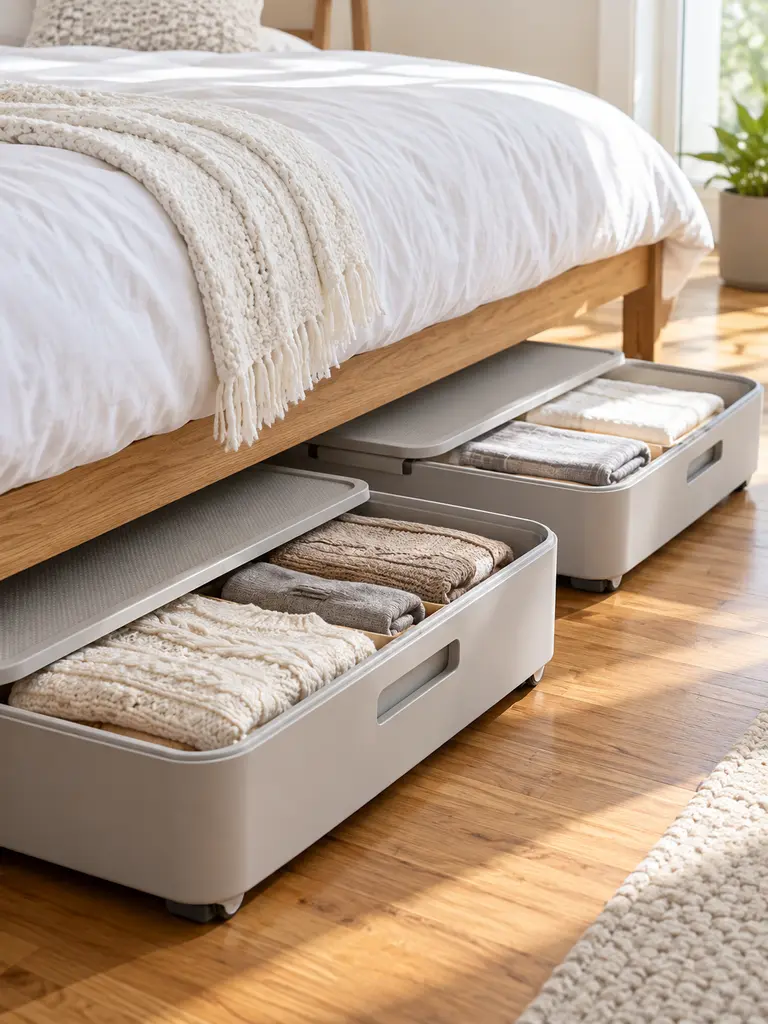
The area beneath the bed can store seasonal clothing or spare linens without changing the frame. Measure the lowest clearance point, including center supports, before selecting cases. Choose low containers with enclosed lids, smooth wheels, and handles that remain easy to reach from the bed edge.
Group contents by season or purpose, label the outward-facing end, and avoid filling every inch beneath the mattress. In my experience, underbed storage stays useful when cases slide out without moving other furniture. Vacuum the area regularly and check fabrics for moisture before returning them to storage.
For more ways to organize overlooked gaps and movable furniture, explore these practical Small Space Storage Ideas designed for easy daily maintenance.
Clamp-On Plant Shelf
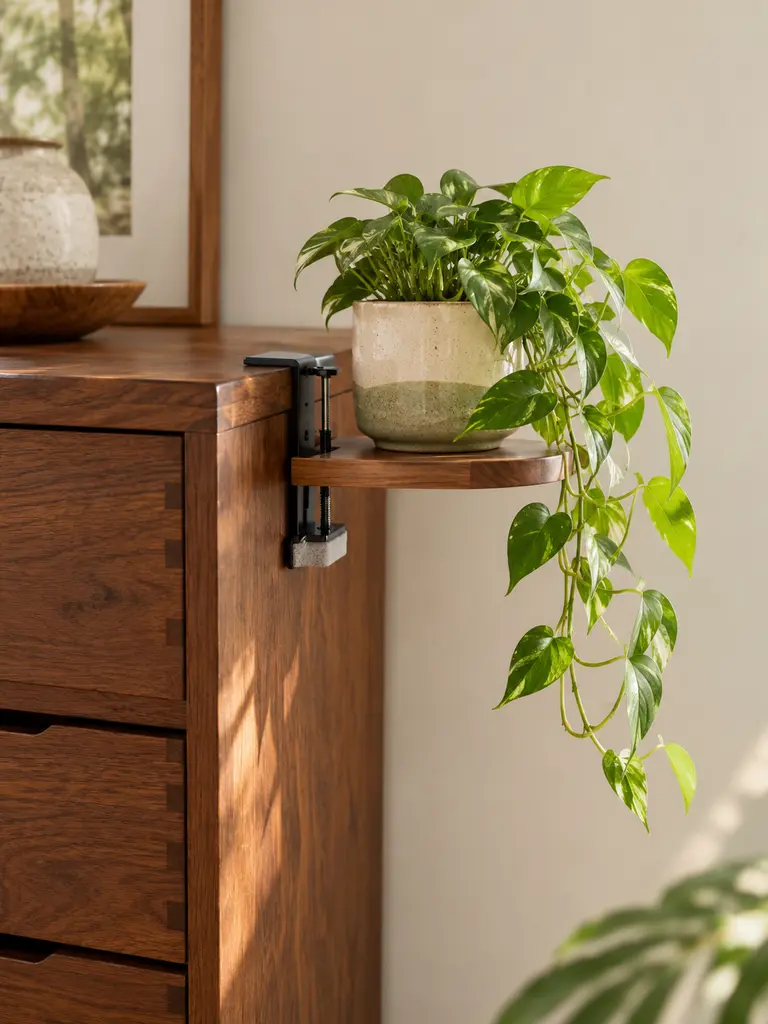
- Add greenery without attaching a shelf to the rental wall.
- Choose a padded clamp designed for the thickness and strength of the supporting furniture.
- Use one lightweight plant inside a waterproof pot and saucer.
- Position the shelf away from bedding, electronics, and active pathways.
- Inspect the contact point regularly for pressure marks or movement.
A clamp shelf gives one small plant a defined place without occupying the nightstand or windowsill. Keep the arrangement light, stable, and easy to remove for watering. Avoid clamping onto delicate veneers, glass, hollow panels, or landlord-owned furniture unless the product and property rules clearly allow it.
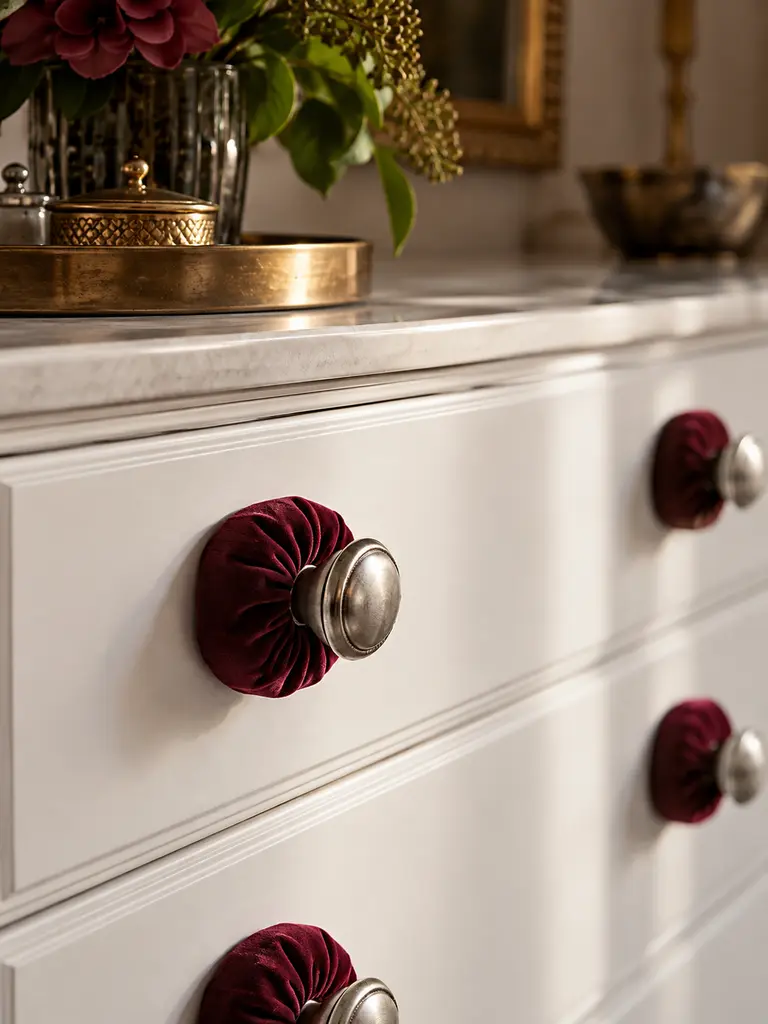
Removable Hardware Sleeves
Quick Tip:
Create fitted covers from fabric, leather-look material, or flexible decorative wraps that fasten to themselves rather than the original hardware. Test one sleeve first to confirm it does not restrict grip, trap moisture, or rub against the surrounding finish.
Hardware sleeves can soften the appearance of dated knobs without removing landlord-owned parts. Keep every cover thin, secure, and easy to clean, especially on frequently used drawers. Save matching spare material for replacements, and remove the sleeves periodically to inspect the original surface for dust, friction, or discoloration.
Cord Cover Color Match

BEFORE:
Dark lighting and charging cables cross pale walls, trail behind furniture, or gather beside the bed. The bedroom feels unfinished, and loose wiring complicates cleaning.
AFTER:
Properly routed removable cord covers blend with the existing wall color and guide cables along safer edges. Outlets and switches remain accessible without loose loops entering the walkway.
Matching the cord route to the wall reduces visual distraction without hiding electrical problems. Use only products suitable for the surface, never place covers beneath rugs, and avoid pinching or sharply bending cables. Test removable backing discreetly, then follow the manufacturer’s removal method instead of pulling it away quickly.
Reversible Bedding Palette

- Choose two coordinated sides. Select a reversible quilt with one calm foundation and one stronger color or pattern.
- Add adaptable covers. Use zippered pillow covers that can be stored flat when not displayed.
- Limit accent shades. Repeat two or three colors across the bed instead of mixing unrelated tones.
- Keep one neutral layer. A cream or beige throw helps both sides work with the existing room.
- Store the extras. Fold unused covers inside one labeled fabric bag.
Reversible bedding changes the bedroom’s mood without touching walls, flooring, or fixtures. It also reduces the number of bulky seasonal pieces that need storage. Choose washable fabrics suited to the climate, and keep the palette connected to existing furniture so each side feels intentional rather than like a temporary compromise.
Seasonal quilts, warm pillow covers, and reversible throws also work beautifully with these renter-friendly fall apartment decor ideas.
Move-Out Repair Caddy

| Item | Scattered Supplies | Repair Caddy |
|---|---|---|
| Product access | Stored in different rooms | Kept in one portable kit |
| Paint information | Easily forgotten | Recorded on one card |
| Spare supports | Mixed with general hardware | Sorted in labeled envelopes |
| Move-out preparation | Delayed until packing | Ready for early inspection |
A repair caddy keeps approved cleaning products, spare removable supports, furniture pads, and property information available throughout the tenancy. Include only tools you understand and repairs permitted by the lease. Photograph damaged areas before attempting work, and contact the property manager whenever restoration requires paint, filler, wiring, or specialist knowledge.
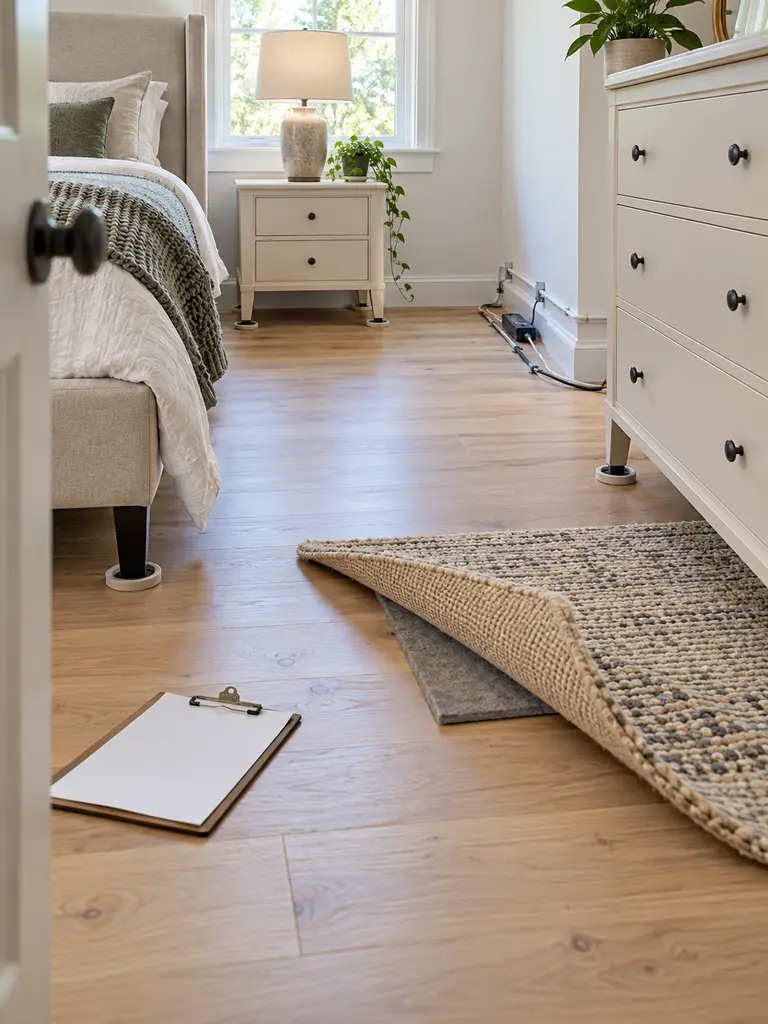
Damage Check Walkthrough
DO
- Inspect every temporary support in bright natural light.
- Check floors beneath rugs, furniture, and protective pads.
- Review pressure points behind screens, mirrors, and headboards.
- Confirm cables, doors, windows, and vents remain accessible.
DON’T
- Assume a removable product is safe on every finish.
- Leave unstable decor in place because it looks balanced.
- Ignore moisture trapped behind furniture or fabric.
- Attempt prohibited repairs without property approval.
A final walkthrough helps the finished bedroom remain attractive, functional, and lease-conscious. Repeat the inspection monthly and after moving any major item. Early attention to lifting strips, compressed carpet, fading, rubbing, or condensation is easier than handling visible damage during move-out. Keep the original condition photographs for comparison.
Conclusion
A rental bedroom does not need permanent changes to feel thoughtful, comfortable, and personal. These Renter Friendly Bedroom Ideas show how freestanding backdrops, reversible textiles, movable furniture, temporary lighting, and careful storage can refresh the room while protecting its original surfaces. Begin with one manageable update and document every change as you go. I’ve seen how a new fabric, better light, or practical bedside table can shift the entire mood. Save this post on Pinterest, try one or more ideas, and share it with another renter who needs inspiration. Make your room feel like home while keeping move-out simple and stress-free.