
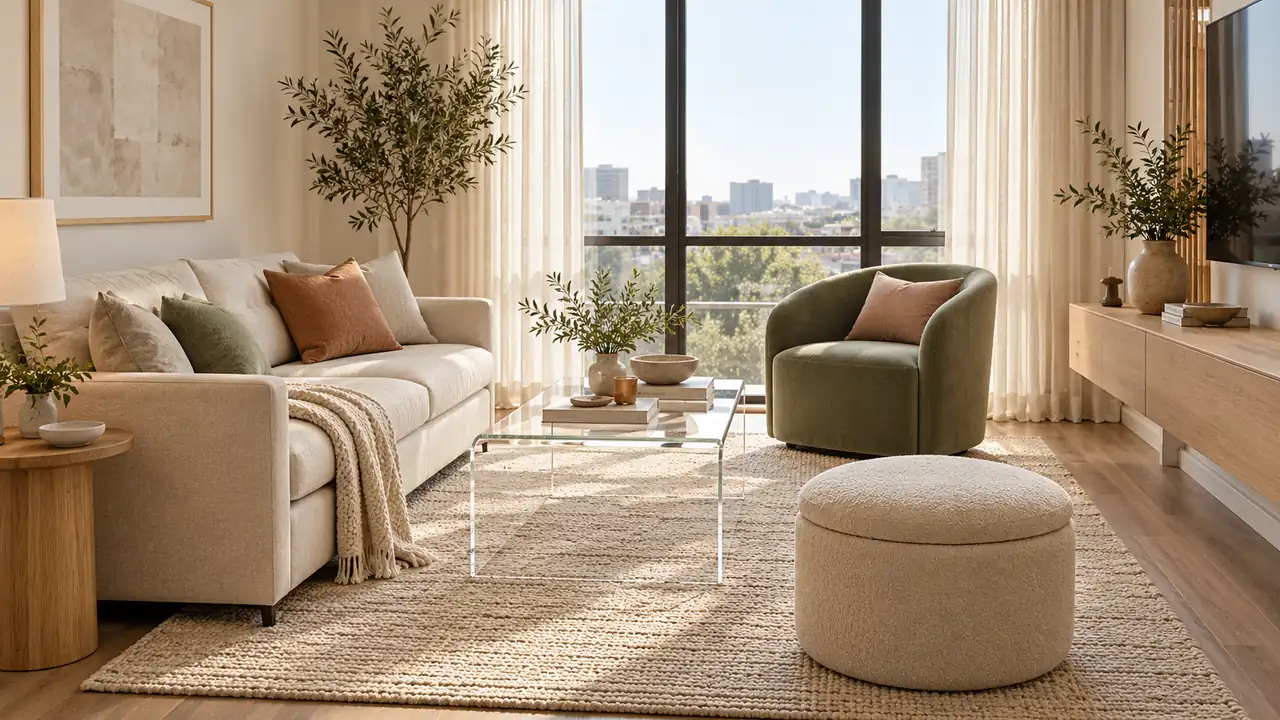
A Small Apartment Living Room can feel comfortable, polished, and personal without being filled with undersized furniture or excessive storage pieces. The key is choosing elements that support your daily routine while keeping the room visually calm.
These 24 ideas cover color, furniture, lighting, storage, textiles, wall displays, and practical finishing details. You will learn how to make better use of limited floor space without sacrificing comfortable seating or individual style. In my experience, compact rooms improve most when every item has a clear purpose and enough space around it. Whether you rent or own, these approachable updates will help you create a brighter, more organized living area that feels welcoming throughout the day.
Table of Contents
Living Room Needs Audit

A stylish room begins with an honest look at how you actually live. Note whether the space supports television viewing, reading, entertaining, remote work, or daily relaxation. Count regular users, occasional guests, and belongings that require accessible storage before moving furniture or buying decorative pieces.
Next, measure walls, windows, door swings, outlets, and clear walking paths. Record rental restrictions and observe how daylight changes throughout the day. In my experience, this early assessment prevents attractive purchases from becoming obstacles and helps each item earn its place within a compact living room.
Before choosing furniture, review these Small Living Room Layout Ideas to plan comfortable seating and uninterrupted walking routes.
Soft Neutral Foundation
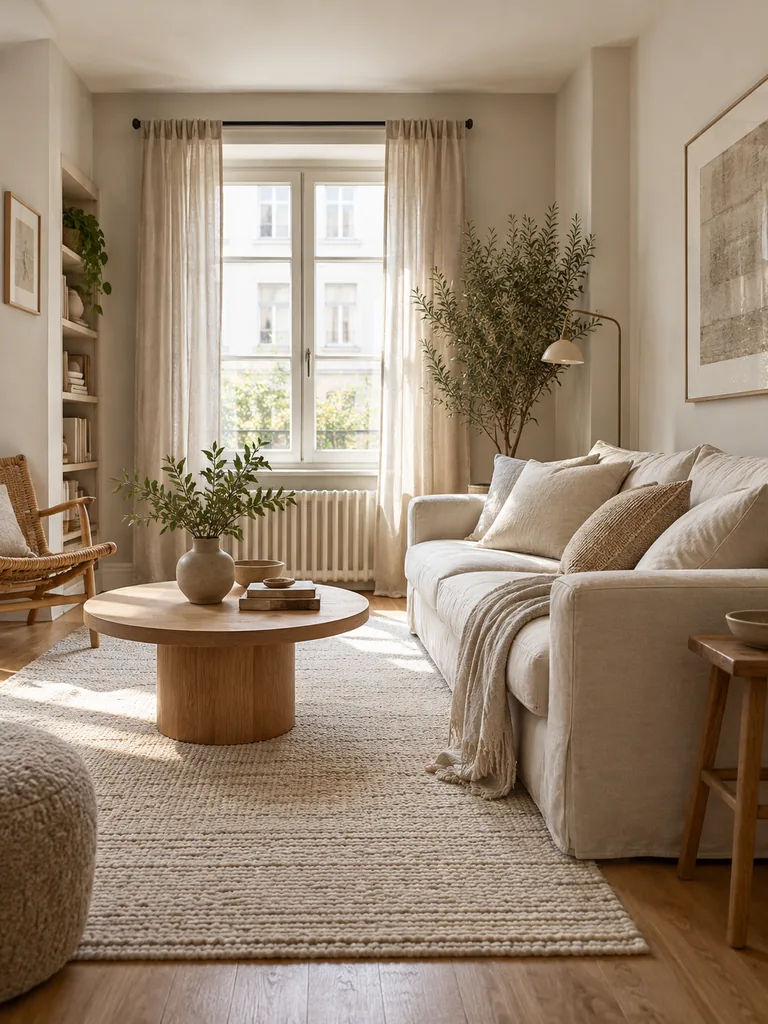
- Calm starts with the largest surfaces. Consider warm white, oatmeal, pale taupe, or soft greige for walls, curtains, rugs, and substantial furniture.
- Compare paint or fabric samples under morning, afternoon, and evening light before committing.
- Choose one dominant neutral and repeat it across two or three larger elements.
- Add contrast through natural wood, charcoal details, or muted earthy accents.
- Select washable fabrics and durable finishes for pieces that receive daily use.
A connected neutral palette reduces harsh visual breaks and helps apartment-sized furniture feel less crowded. Keep undertones consistent, since cool gray beside creamy beige can appear accidental. Small Apartment Living Room Ideas work best when the foundation feels calm, allowing artwork, plants, and personal accessories to provide controlled color.
Tonal Color Layers

Quick Tip:
Depth does not require several competing colors. Choose one shade family, then combine its light, medium, and deep versions through textiles, artwork, and a few carefully placed accessories.
Rich tonal layers make a compact room feel considered without breaking it into smaller visual sections. Pair sage cushions with olive artwork, or combine sand, caramel, and cocoa across a rug and throw. Keep the darkest shade limited to two or three accents so the finished arrangement remains bright and balanced.
Apartment-Scale Sofa
BEFORE:
An oversized sofa consumes the room and forces other furniture into narrow leftover spaces. Thick arms and excessive depth can make doorways, tables, and storage difficult to reach.
AFTER:
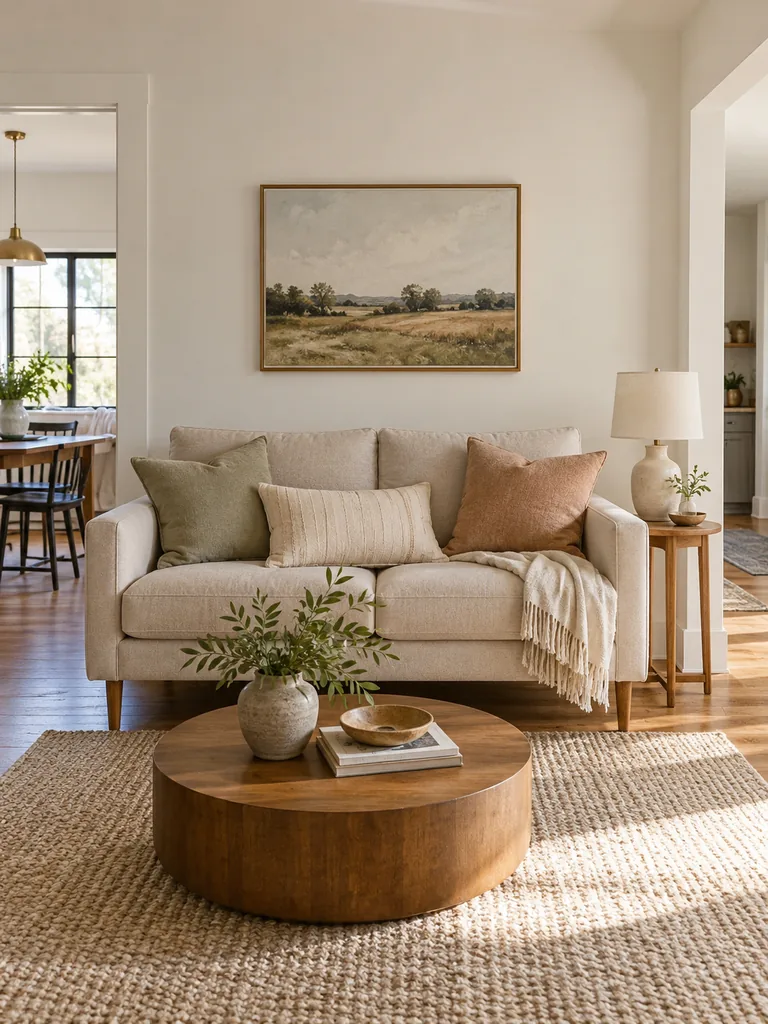
A compact sofa with slim arms provides comfortable seating while exposing more floor area. Balanced dimensions leave space for a side table, lamp, and practical walkway.
The right sofa should support real comfort without controlling the entire room. Measure the wall, doorway, and delivery route before ordering, then mark the proposed footprint with painter’s tape. I’ve noticed that visible space around each end makes even a modest apartment living room appear more intentional and easier to navigate.
For more guidance on choosing appropriately scaled furniture and cohesive finishes, explore these Small Apartment Decorating Ideas.
Curved Accent Chair

- Measure the available corner. Include enough space for someone to sit, stand, and move around the chair comfortably.
- Choose a rounded profile. Look for curved arms, a softly arched back, or a compact barrel shape.
- Check the seat dimensions. A small footprint should still provide suitable depth and back support.
- Angle it toward the sofa. This encourages conversation and avoids a rigid furniture arrangement.
- Protect the flooring. Add suitable pads beneath each leg before placing the chair.
A single curved chair breaks up the straight edges commonly found in apartments, from walls to cabinets and sofas. Keep its upholstery connected to the existing palette, then add interest through texture rather than a competing pattern. The result feels softer, welcoming, and visually balanced without requiring another bulky furniture piece.
Lucite Table Moment
| Feature | Solid Table | Lucite Table |
|---|---|---|
| Visual weight | Creates a noticeable block | Keeps sightlines more open |
| Light movement | Casts heavier shadows | Allows light to travel through |
| Styling | Can dominate nearby details | Lets the rug remain visible |
| Best placement | Larger open areas | Compact seating arrangements |
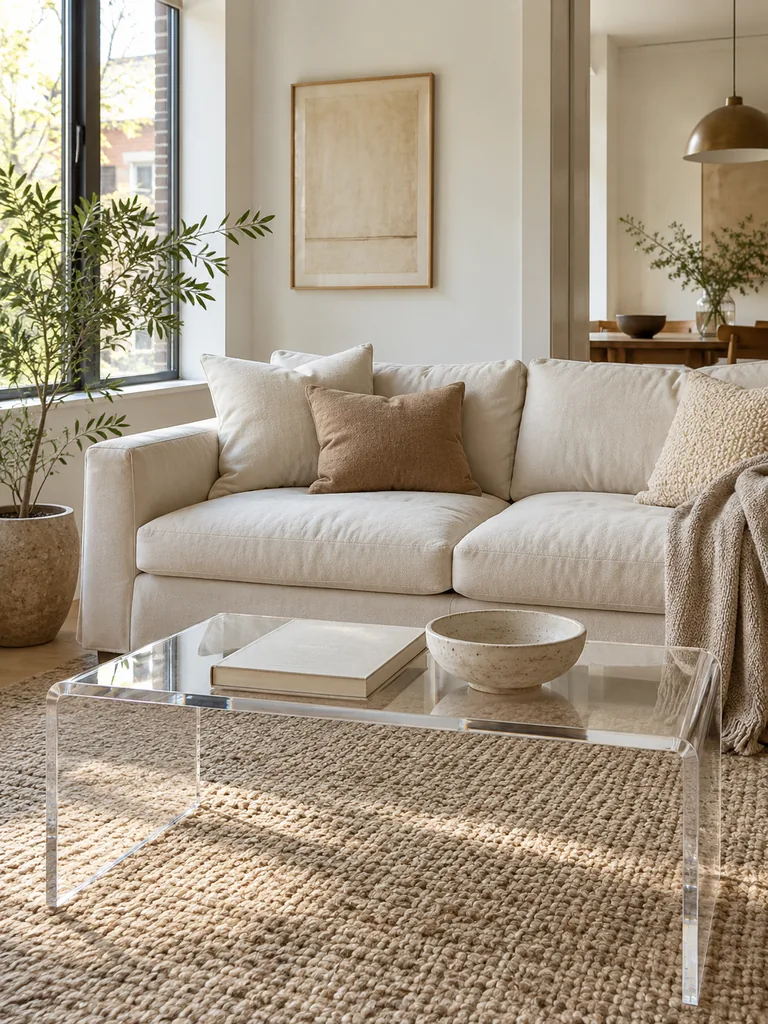
Clear furniture provides function while allowing the eye to continue through the room. Choose a table with polished edges, stable construction, and dimensions suited to the sofa. Keep its surface lightly styled with one tray or book, since excessive accessories weaken the airy effect that makes transparent furniture useful.
Wall-Mounted Media Shelf

DO
- Recover valuable floor space with a shallow shelf sized for essential media equipment.
- Secure the shelf into appropriate wall supports and follow its stated weight limit.
- Guide cables through removable covers that match the wall color.
- Maintain ventilation around consoles, routers, and other electronic devices.
DON’T
- Mount equipment without checking the wall type and rental agreement.
- Allow loose cords to cross walking routes or hang within a child’s reach.
- Crowd the shelf with unrelated decorations.
- Block switches, vents, or electrical outlets.
A floating media surface creates a cleaner television wall without the depth of a traditional console. Keep only frequently used devices visible and store accessories inside one labeled box. Confirm screen height from your usual seat before installation, because a streamlined arrangement should remain comfortable as well as visually open.
Hidden Storage Ottoman
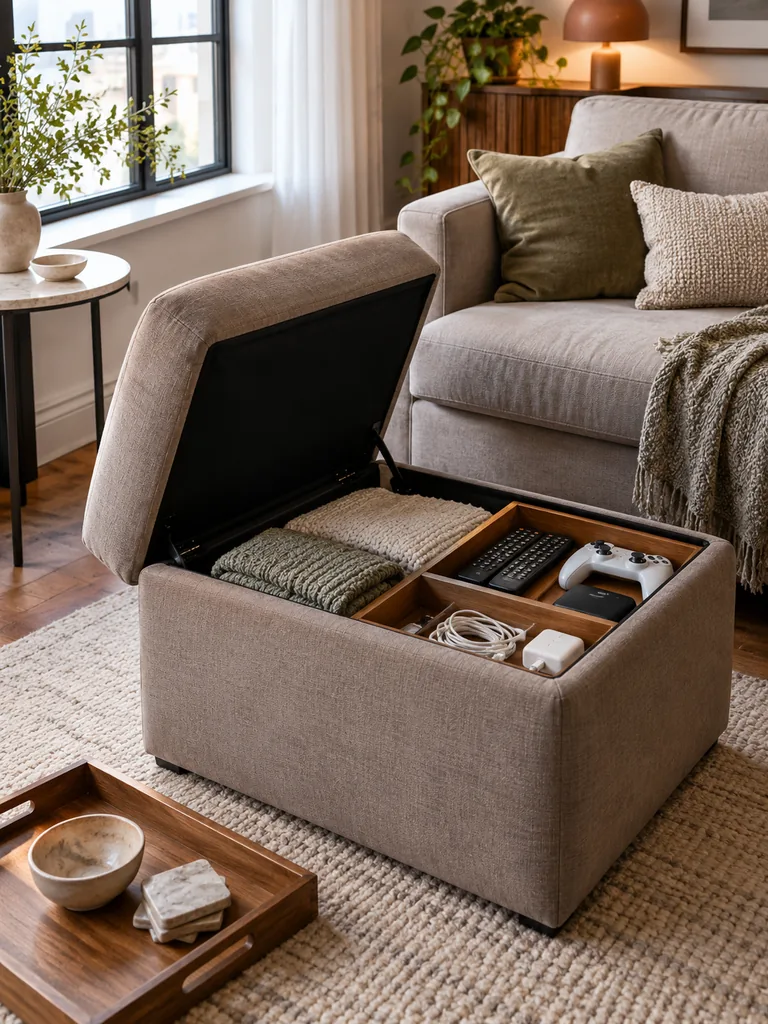
Cost: Moderate
Best For: Blankets, games, remotes, and chargers
Works In: Living rooms without space for extra cabinets
Result: Flexible seating with concealed organization
Few furniture pieces work harder than a well-sized storage ottoman. Choose a lightweight model with a stable lid and durable upholstery, then organize the interior with small fabric bins. It can function as a footrest, occasional seat, or coffee table when topped with a firm removable tray.
For additional ways to conceal everyday clutter without overcrowding the room, explore these practical Small Space Storage Ideas.
Window Reading Corner
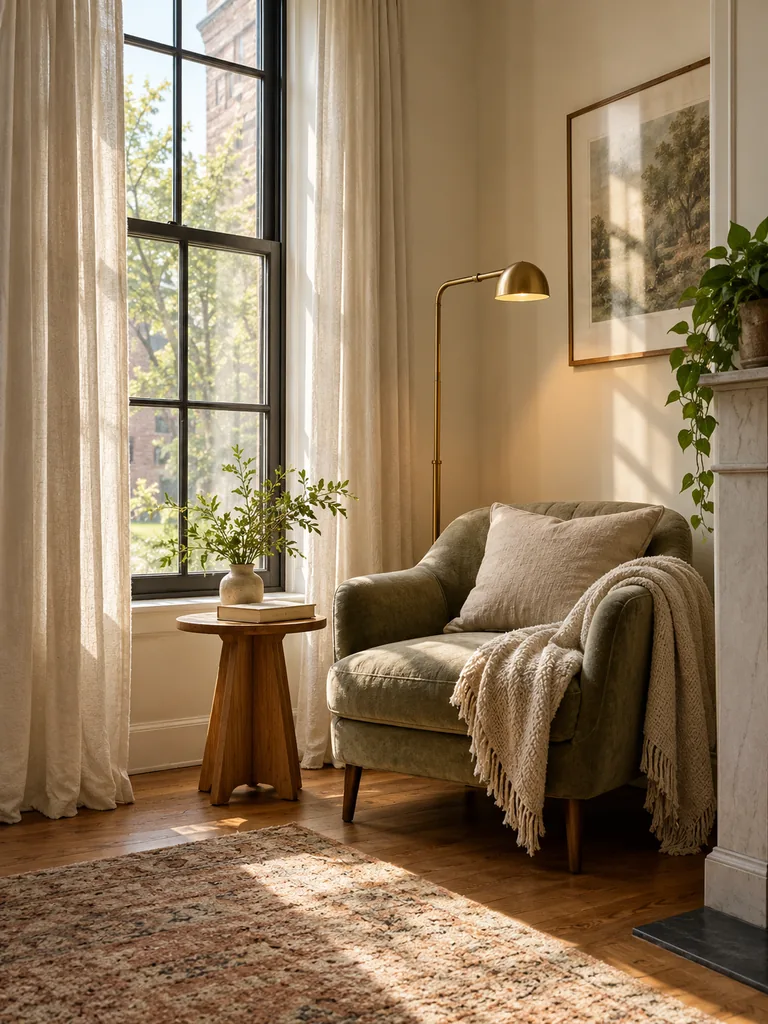
Natural light can turn an overlooked corner into the most inviting spot in the apartment. Position a compact chair close enough to benefit from the window without blocking curtains, handles, vents, or radiators. Add a narrow floor lamp for comfortable reading after sunset.
Keep the setup simple with one small table for a drink, book, or phone. Choose furniture that relates to the main seating area through color or material. I’ve seen this work especially well where an empty window corner previously collected bags, boxes, or unused decorations.
Gallery Wall Column
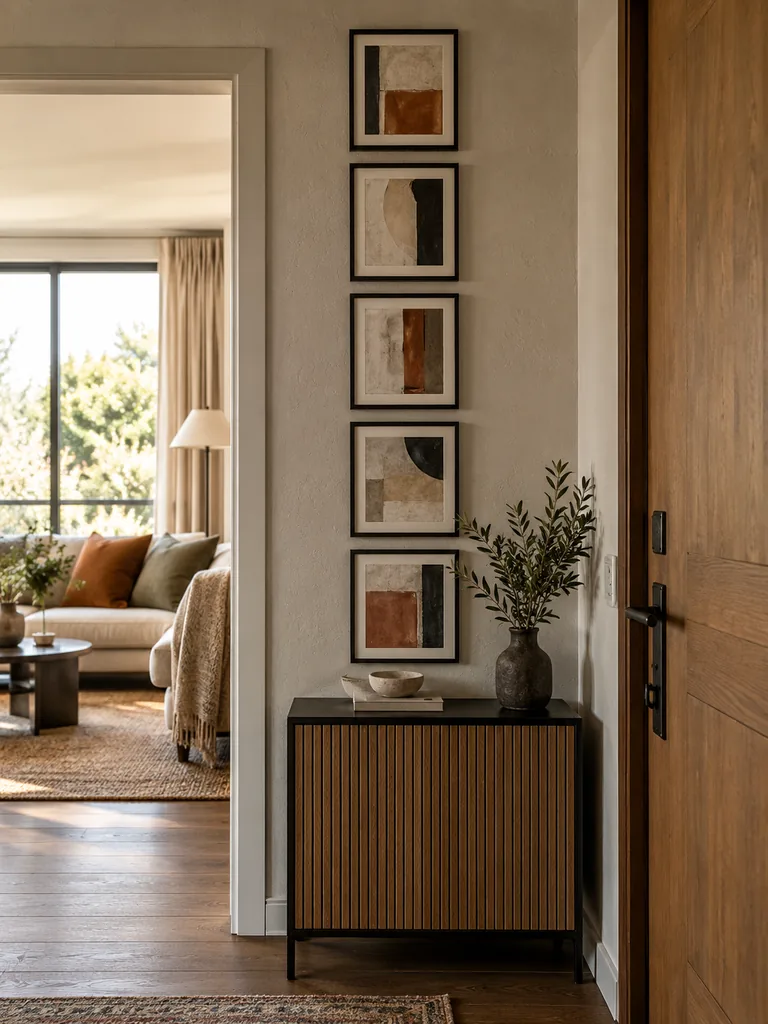
- A narrow blank wall can become a strong focal point without feeling busy. Select three to five frames with related colors or finishes.
- Arrange frames vertically to draw attention upward and emphasize ceiling height.
- Keep spacing consistent by measuring between every frame before mounting.
- Use original, personal, or properly licensed artwork that complements the room palette.
- Test removable supports on a hidden area before applying them across painted walls.
A vertical gallery creates personality without spreading visual detail across the entire apartment. Center the arrangement over a narrow cabinet, beside a doorway, or within an unused wall return. Keep the outer edges aligned so the display appears deliberate, and avoid extending frames into areas where people regularly pass.
Oversized Mirror Focus

Quick Tip:
Reflection works best when it captures daylight, artwork, or an uncluttered view. Test several positions by leaning the mirror safely with assistance before securing it according to its size, weight, and manufacturer instructions.
One substantial mirror often looks calmer than several small reflective pieces. Place it perpendicular to a bright window when possible, and avoid angles that reflect television glare or crowded storage. A slim frame in wood, black, or warm metal can connect the mirror with furniture already used throughout the room.
Ceiling-Track Drapery

BEFORE:
Short curtains divide the wall horizontally and can make windows appear smaller. Bulky rods or excess fabric may also crowd a compact room and interfere with nearby furniture.
AFTER:
Full-length panels mounted near the ceiling create a cleaner vertical line. Correctly measured fabric frames the window while preserving access to handles, vents, and heating sources.
High drapery placement helps the eye travel upward, making modest walls feel taller and more polished. Measure from the intended track position to the floor before ordering panels, and choose a width that closes without stretching. Lightweight linen-look fabric offers softness while allowing a small living area to remain bright.
Floating Display Ledge
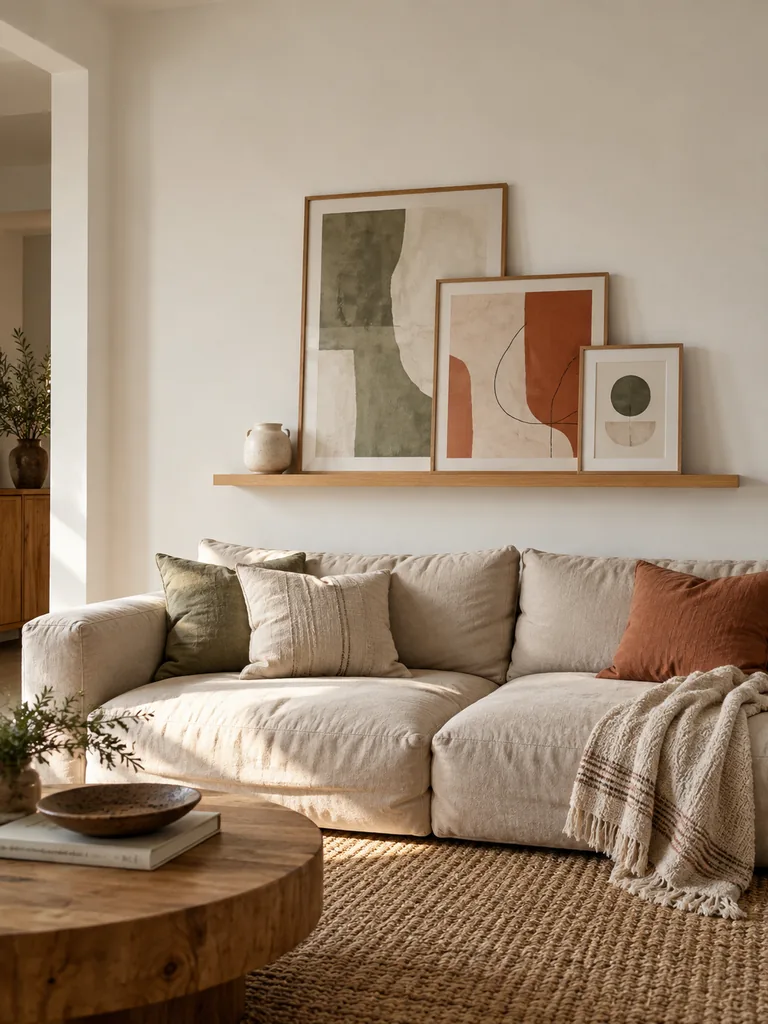
- Find the quietest wall. Choose an area above a low cabinet or sofa where the ledge will not obstruct movement.
- Measure the projection. Select a shallow design that holds frames securely without extending too far into the room.
- Confirm proper support. Match the fixings to the wall type, shelf weight, and rental conditions.
- Arrange artwork first. Test frame sizes and spacing on the floor before placing them on the ledge.
- Leave open space. Avoid filling the entire shelf from end to end.
A slim ledge creates a flexible display without requiring a separate hole for every frame. Overlap two or three pieces in varied heights, then add only one small object for dimension. The arrangement remains easy to refresh, making it useful for renters or anyone who enjoys changing artwork seasonally.
For a seasonal update, these easy fall shelf decor ideas show how to style small displays with warm textures, natural accents, and simple autumn details.
Sculptural Floor Lamp

| Feature | Standard Lamp | Sculptural Lamp |
|---|---|---|
| Primary role | Provides general light | Combines lighting with visual interest |
| Shape | Basic upright profile | Curved, arched, or geometric form |
| Styling need | Often needs nearby decor | Works as a focal detail |
| Best finish | Matches existing furniture | Repeats one room accent |
Lighting can become decoration when its shape is carefully chosen. Look for a narrow base, stable construction, and a shade that directs light where needed. Position the lamp beside a sofa or reading chair without crossing a walkway, then secure its cord neatly along the nearest wall or furniture edge.
Sofa Pillow Edit
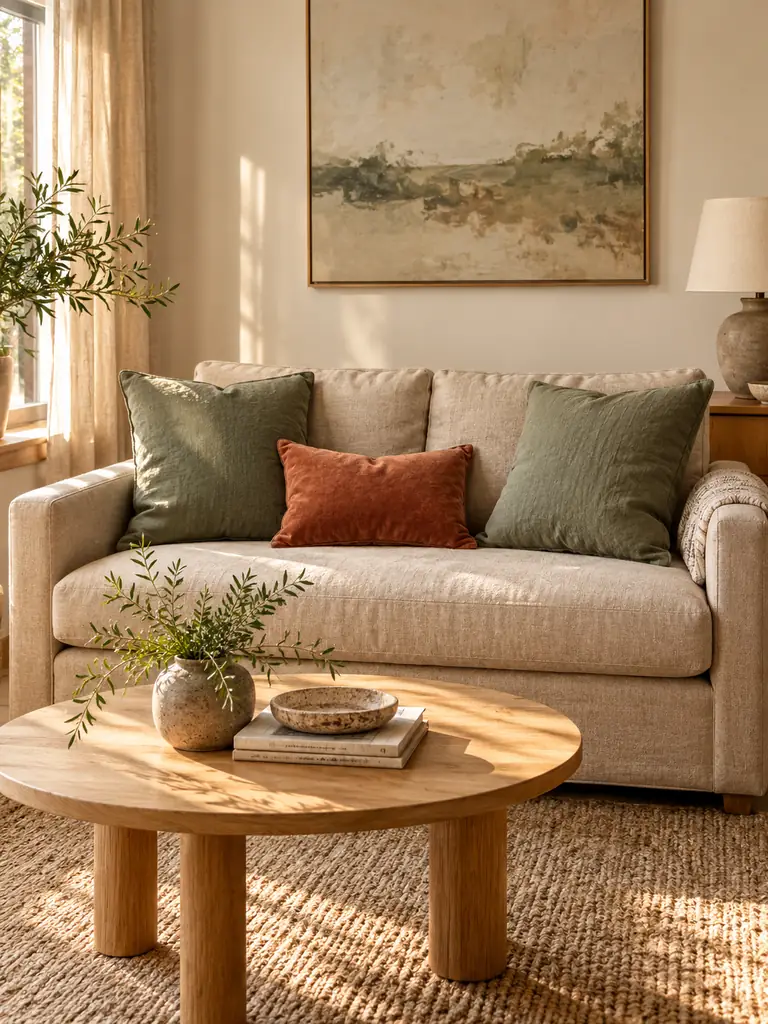
DO
- Give the sofa room to breathe with a limited, coordinated pillow selection.
- Combine solid colors with one subtle pattern or tactile fabric.
- Choose inserts that remain supportive after regular use.
- Repeat a shade already visible in the rug, artwork, or curtains.
DON’T
- Cover most of the usable seat with decorative cushions.
- Mix several unrelated patterns at the same scale.
- Select delicate fabrics for high-use family seating.
- Keep pillows that have lost their shape or comfort.
A thoughtful pillow edit makes the sofa appear welcoming rather than overloaded. Start with two larger cushions at the outer corners, then add one smaller accent if space allows. Vary texture through linen, boucle, or velvet while keeping the palette controlled, and store seasonal covers instead of complete pillows.
For more ways to make your seating area feel relaxed and inviting, explore these cozy living room ideas designed around practical, everyday comfort.
Textured Rug Foundation

Cost: Moderate
Best For: Defining the main seating area
Material: Low-pile wool blend or washable synthetic fiber
Result: Softer flooring with clearer visual structure
A well-proportioned rug brings separate furniture pieces together and reduces the scattered feeling common in compact rooms. Choose a size that reaches beneath the front legs of the sofa and chairs. Add a nonslip underlay, keep edges flat, and select a texture that suits your cleaning routine.
Vertical Plant Accent

A tall plant introduces life, color, and height without filling another table or cabinet. Choose a narrow variety suited to the room’s available daylight, humidity, and temperature. Position it near a window while keeping leaves clear of curtains, vents, and busy walking routes.
Use a stable planter with a protected base to prevent moisture damage. For a darker apartment, select a realistic faux plant with convincing leaf variation and a simple pot. Dust the foliage regularly, since clean leaves reflect more light and preserve the crisp vertical effect.
If you have access to a compact outdoor area, these Small Apartment Balcony Ideas offer more ways to use vertical plants, portable furniture, and lighting.
Artful Storage Cabinet
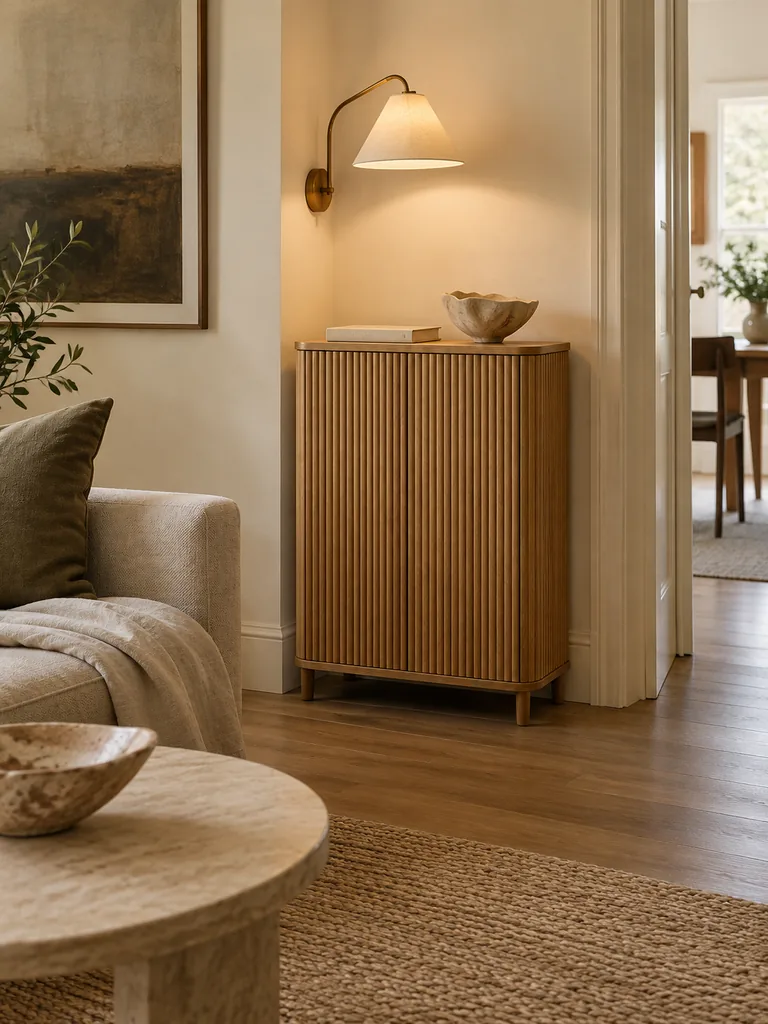
- Hidden storage feels especially valuable when everyday belongings lack a permanent home. Choose a cabinet with shallow depth and useful internal shelves.
- Measure doors and drawers at their fully opened positions before deciding on placement.
- Select a finish that repeats the room’s wood tone, wall color, or metal details.
- Use internal bins to separate electronics, paperwork, games, and household supplies.
- Keep the top partly clear or style it with one restrained arrangement.
A compact cabinet can solve visual clutter while contributing to the apartment’s design. Position it against an underused wall without narrowing a walkway, and secure taller units where necessary. Among Small Apartment Living Room Ideas, closed storage creates one of the most noticeable improvements because practical items disappear behind a calm exterior.
Removable Accent Mural

Quick Tip:
A bold wall feature works best when the surrounding area stays restrained. Test the removable material on a hidden painted section first, then wait for the manufacturer’s recommended period before checking for residue or surface changes.
A mural panel can bring pattern and personality into a rental without consuming valuable floor space. Choose one controlled section behind the sofa or cabinet rather than covering every wall. Measure carefully, align the design from the center outward, and keep nearby artwork minimal so the feature remains visually clear.
Before applying removable wallpaper in a rental, explore this guide to renter friendly apartment decor for practical tips on protecting painted walls, testing adhesives, and avoiding unnecessary damage.
Warm Metallic Details
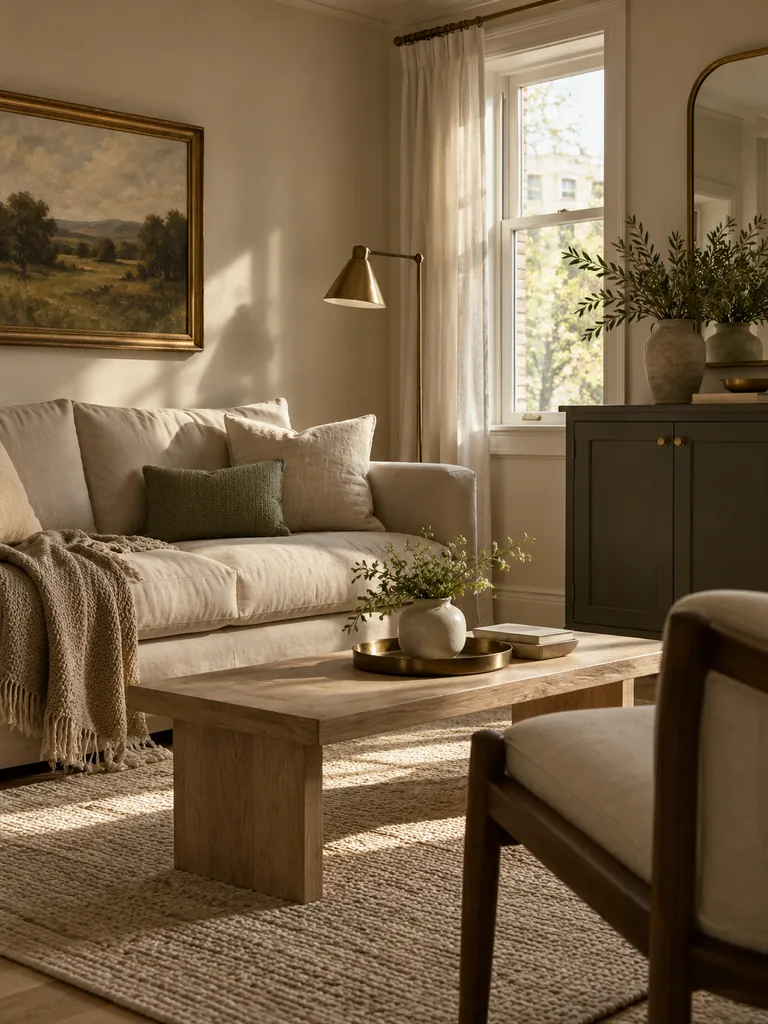
BEFORE:
Several unrelated metal finishes compete across lamps, frames, hardware, and decorative trays. The scattered reflections make a compact living room feel busier than its actual size.
AFTER:
One repeated finish, such as antique brass, warm bronze, or brushed copper, connects separate areas. Small metallic details catch light without overwhelming the neutral foundation.
Metallic repetition gives the room a quiet sense of continuity. Select two or three useful objects in the same finish, then distribute them across the space instead of creating one shiny cluster. In my experience, aged or brushed surfaces are easier to coordinate than highly polished metals and show fewer fingerprints.
Brass and antique gold accents can also support these autumn mantel styling ideas without making the living room feel crowded.
Portable Light Trio
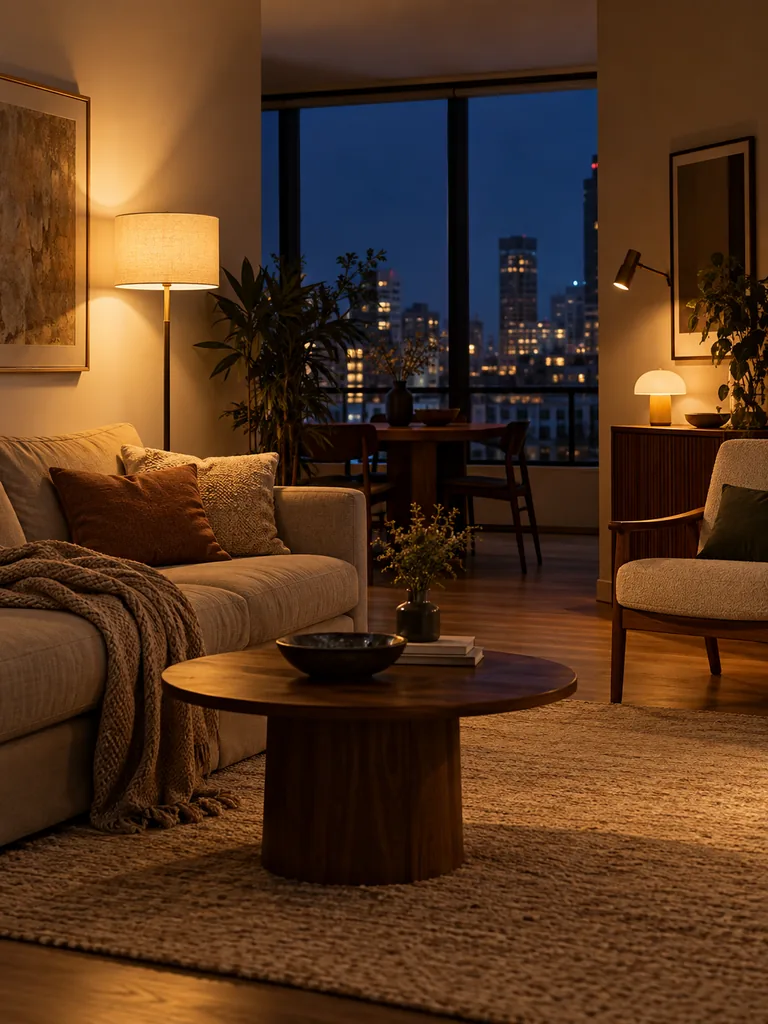
- Identify dark zones. Check the sofa, reading chair, and cabinet areas after sunset to find where focused light is genuinely needed.
- Place a floor lamp. Use it beside the main seating area for comfortable ambient illumination.
- Add a rechargeable lamp. Position it on a shelf or table that lacks a nearby outlet.
- Include focused light. Choose a compact adjustable lamp for reading, hobbies, or laptop work.
- Test evening balance. Switch off the ceiling light and adjust each source to reduce glare.
Layered portable lighting lets a small room support several activities without electrical alterations. Choose warm bulbs with similar color temperatures, hide or secure visible cords, and avoid filling every surface with lamps. The result feels softer after dark while remaining flexible enough for renters who may rearrange furniture later.
Seasonal Textile Swap

| Feature | Replacing Decor | Swapping Textiles |
|---|---|---|
| Storage needed | Requires space for complete objects | Uses compact folded covers |
| Cost | Can become expensive each season | Allows smaller planned updates |
| Setup time | Requires rearranging surfaces | Takes only a few minutes |
| Practicality | May add unnecessary clutter | Keeps furniture functional |
A seasonal update can feel fresh without bringing more objects into the apartment. Replace cushion covers and one lightweight throw while keeping the main furniture unchanged. Choose washable fabrics in two coordinated colors, fold off-season textiles inside a labeled container, and avoid layering so many pieces that seating becomes uncomfortable.
For a festive winter refresh, explore these small apartment Christmas decor ideas featuring cozy throw pillows, soft blankets, and space-saving holiday decorations.
Styled Surface Limit
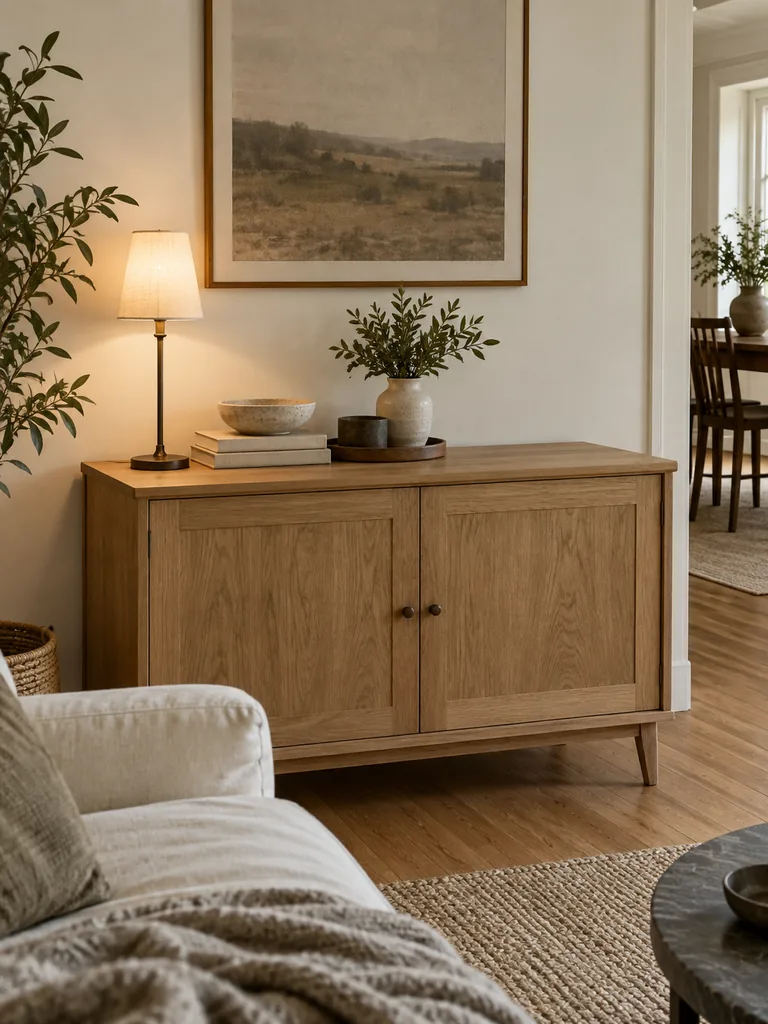
DO
- Give every visible surface enough empty space to remain functional.
- Group two or three related objects on a small tray.
- Combine varied heights through a lamp, book, and compact decorative piece.
- Keep frequently used items within easy reach.
DON’T
- Cover tables with several unrelated accessories.
- place fragile objects near the edge or beside busy walkways.
- Scatter small decorations across every available surface.
- Ignore the practical purpose of the furniture.
Clear space is an active part of good styling, especially in a compact apartment. Leave roughly one-third to one-half of each table or cabinet top open whenever possible. A restrained arrangement looks more intentional, reduces cleaning time, and gives meaningful objects enough visual room to be noticed.
Apartment Living Edit

Time: 20 to 30 minutes
Difficulty: Beginner
Best For: Completed rooms that still feel crowded
Result: Better comfort, clarity, and daily function
The final edit often improves a room more than another purchase. Sit in every seat, open each cabinet, walk through each route, and observe the space after dark. Remove or relocate anything that blocks light, repeats an existing function, complicates cleaning, or makes ordinary routines harder than necessary.
After editing the room for comfort and visual balance, use these practical small apartment organization ideas to keep everyday belongings controlled without adding excessive storage.
Conclusion
Creating a stylish Small Apartment Living Room starts with thoughtful choices, not a long shopping list. Select appropriately scaled furniture, use concealed storage, repeat a controlled color palette, and leave enough open space for comfortable movement. I’ve noticed that removing one unnecessary item can sometimes improve a compact room more than adding another decorative piece. Save this post on Pinterest so you can revisit your favorite ideas, then begin with one update that solves a real problem in your space. Share the article with another apartment dweller who needs practical inspiration, and start building a room that feels comfortable, organized, and completely personal.
5 thoughts on “24 Inspiring Small Apartment Living Room Ideas to Try”