
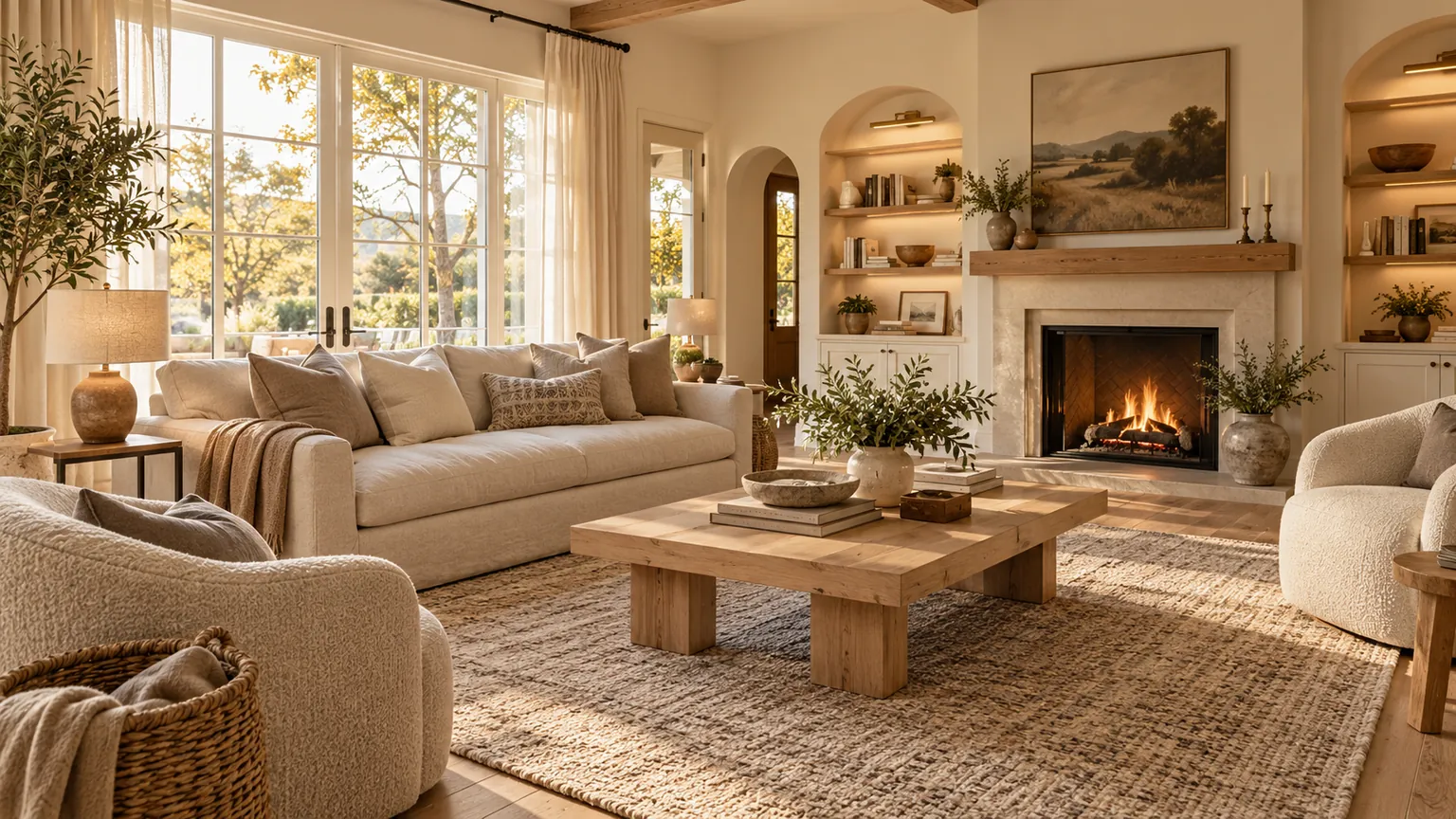
A living room should feel comfortable the moment you settle into it, not like a space you are afraid to disturb. These Cozy Living Room Ideas focus on creating that relaxed, lived-in feeling while keeping your room practical, welcoming, and easy to enjoy every day.
From softer seating and thoughtful furniture placement to quieter corners and clutter-free surfaces, each idea addresses the small details that often affect comfort most. In my experience, a room does not need more decor to feel cozier. It often needs better flow, useful furniture, and fewer everyday frustrations. Whether your living room is compact, busy, or simply missing that restful feeling, these approachable ideas will help you create a space that works beautifully for real life.
Table of Contents
Low Visual Noise
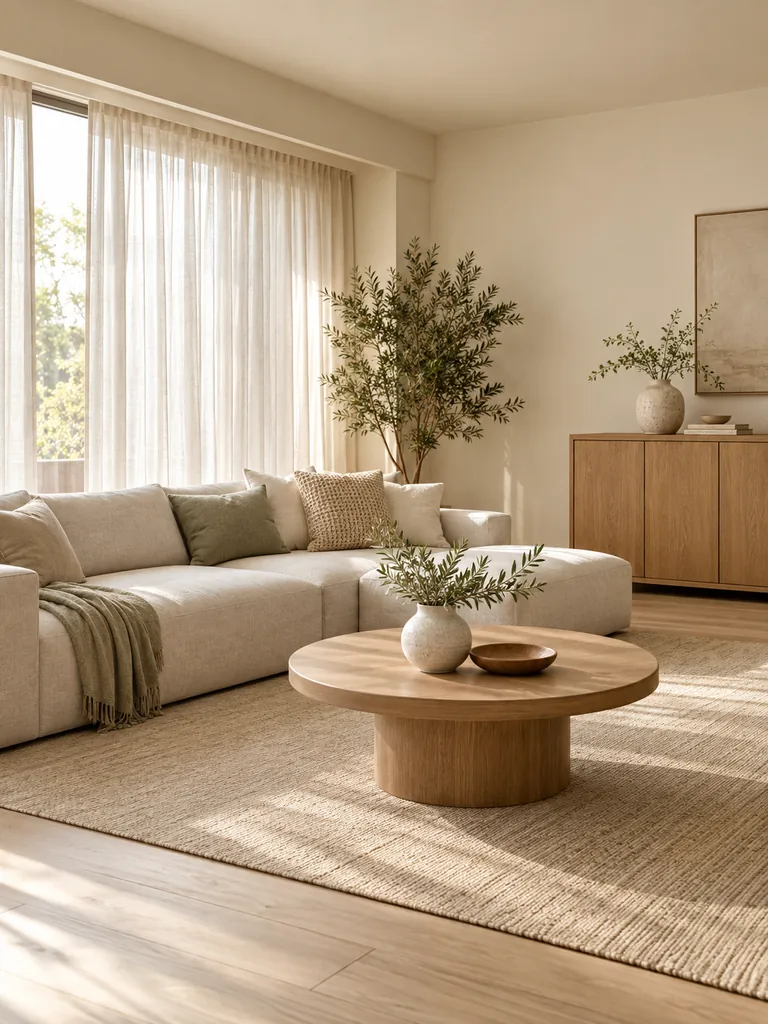
A room feels noticeably calmer when your eyes are not competing with dozens of objects. Start by clearing side tables, open shelves, and the floor, then keep only pieces that are useful or genuinely meaningful. Closed storage works especially well for remotes, chargers, toys, and everyday clutter.
The goal is not an empty minimalist room. Keep warmth through texture, comfortable furniture, and a few intentional objects. In my experience, removing several small accessories often makes a living room feel more relaxing than buying new decor. Give every visible piece enough space to stand on its own.
Deep Upholstered Ottoman
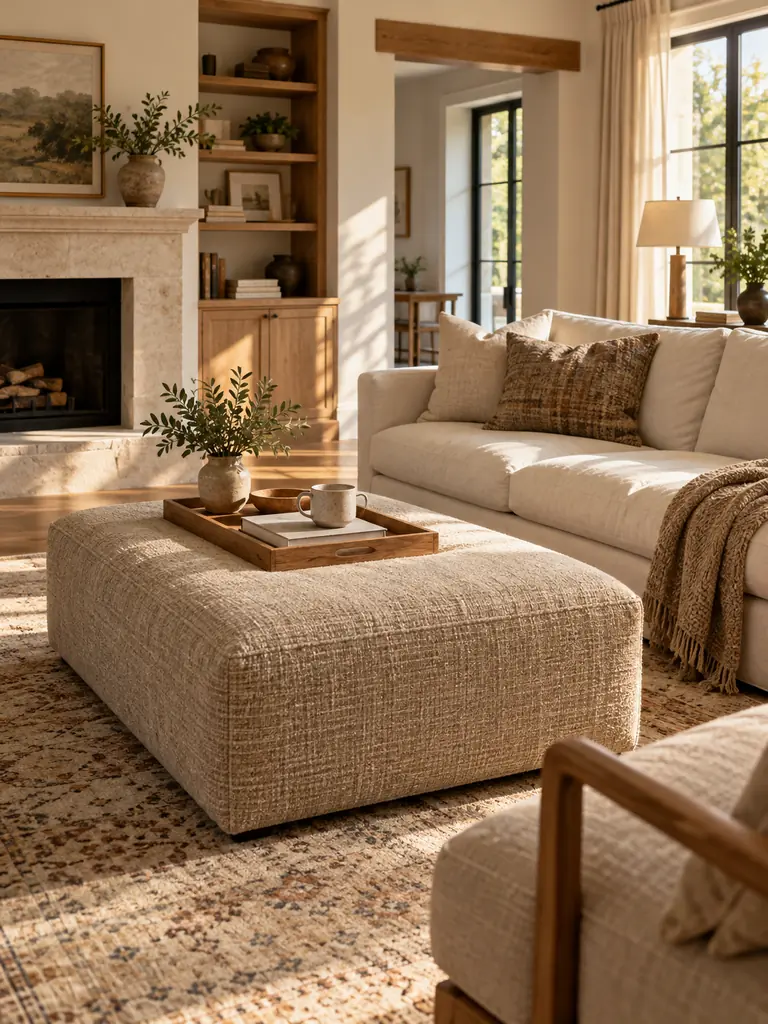
A deep ottoman earns its place by doing several jobs without making the room feel formal.
- Choose a padded top deep enough to comfortably support your feet while sitting on the sofa.
- Look for durable woven fabric if the ottoman will handle daily use, kids, or pets.
- Add a sturdy tray when you need a stable surface for drinks, books, or remotes.
- Leave enough clearance around the edges so people can walk past without turning sideways.
- Consider hidden storage for blankets or less attractive everyday essentials.
Among practical Cozy Living Room Ideas, an upholstered ottoman works especially well because comfort comes first without sacrificing function. Match its height closely to your sofa seat for natural leg support. For a relaxed look, choose a fabric that complements the sofa rather than matching it exactly.
Rounded Furniture
Quick Tip:
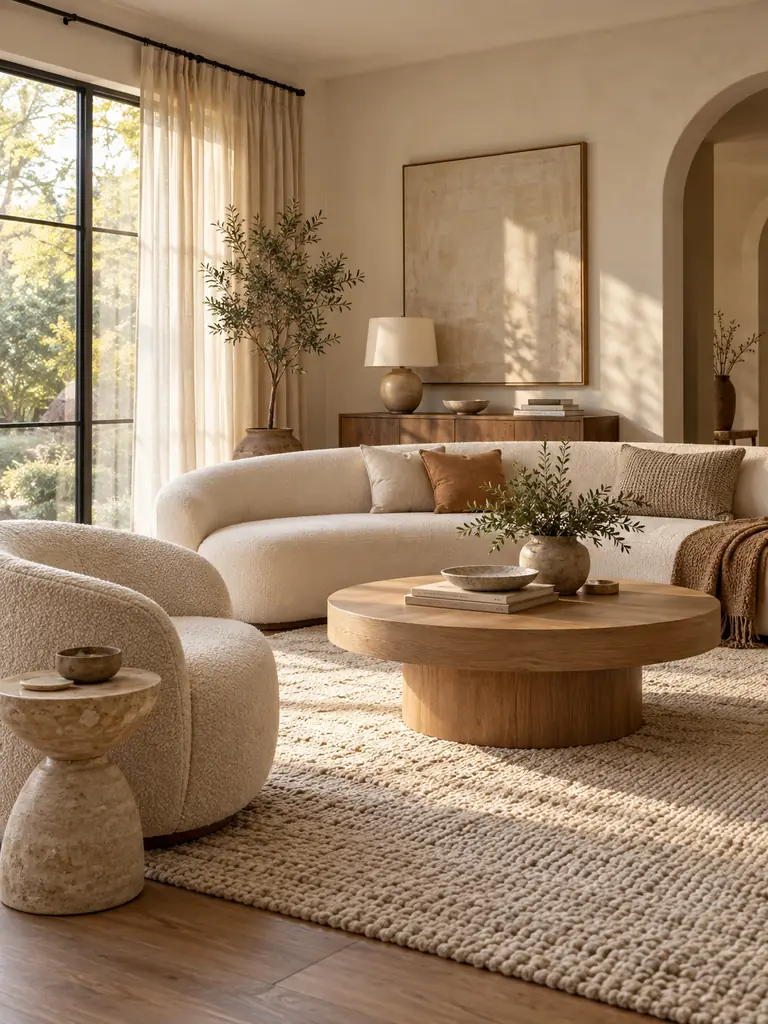
Repeat two or three rounded forms instead of filling the entire room with curves. A circular coffee table paired with a curved chair or dome-shaped lamp creates enough visual softness while keeping the layout balanced and practical.
Sharp corners can make a furniture-heavy room feel more rigid than it needs to. Rounded tables and curved seating soften those visual boundaries while also improving movement around tight layouts. I’ve noticed this works particularly well where a coffee table sits close to the main walking path or sofa.
Comfortable TV Viewing
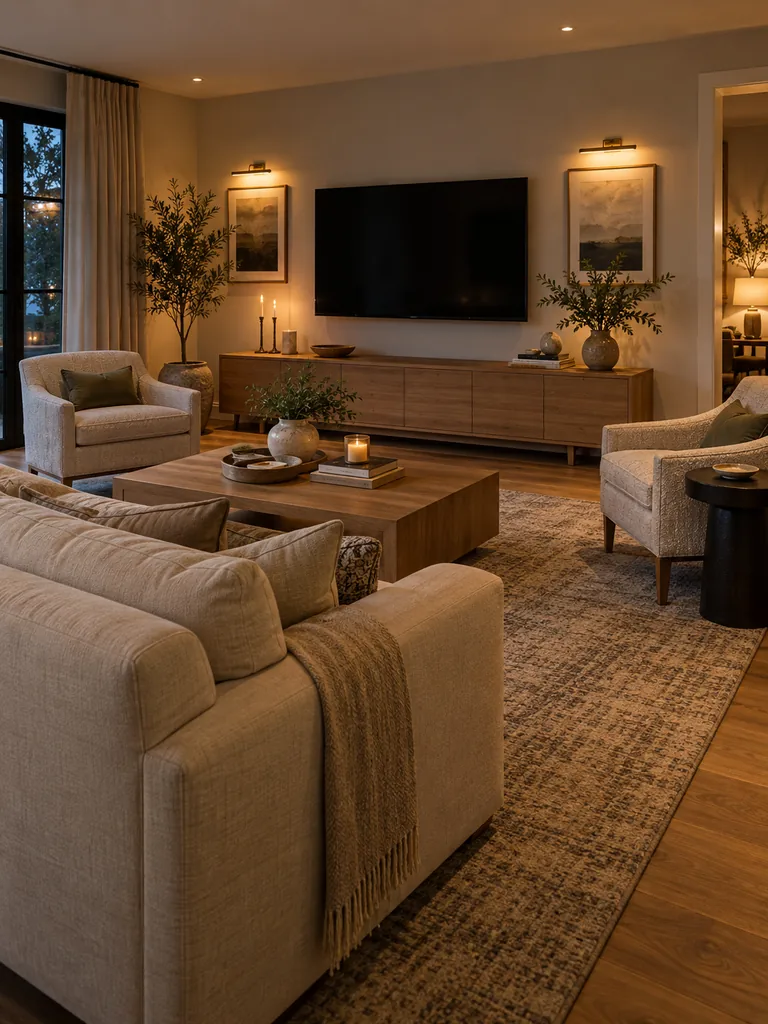
BEFORE
The sofa faces the television, but the screen sits too high or off-center. People twist their necks, shift cushions constantly, or pull chairs into awkward positions just to watch comfortably.
AFTER
The main seating faces the screen naturally, with the TV closer to seated eye level. Side seats are angled slightly inward, while clear walking paths keep the setup relaxed rather than cramped.
Comfort should guide the layout before symmetry does. Position the sofa where viewers can sit with their head and shoulders relaxed, then adjust secondary seating around it. Avoid placing lamps or reflective decor directly opposite the screen, since glare can make evening viewing surprisingly tiring.
Everyday Comfort Basket
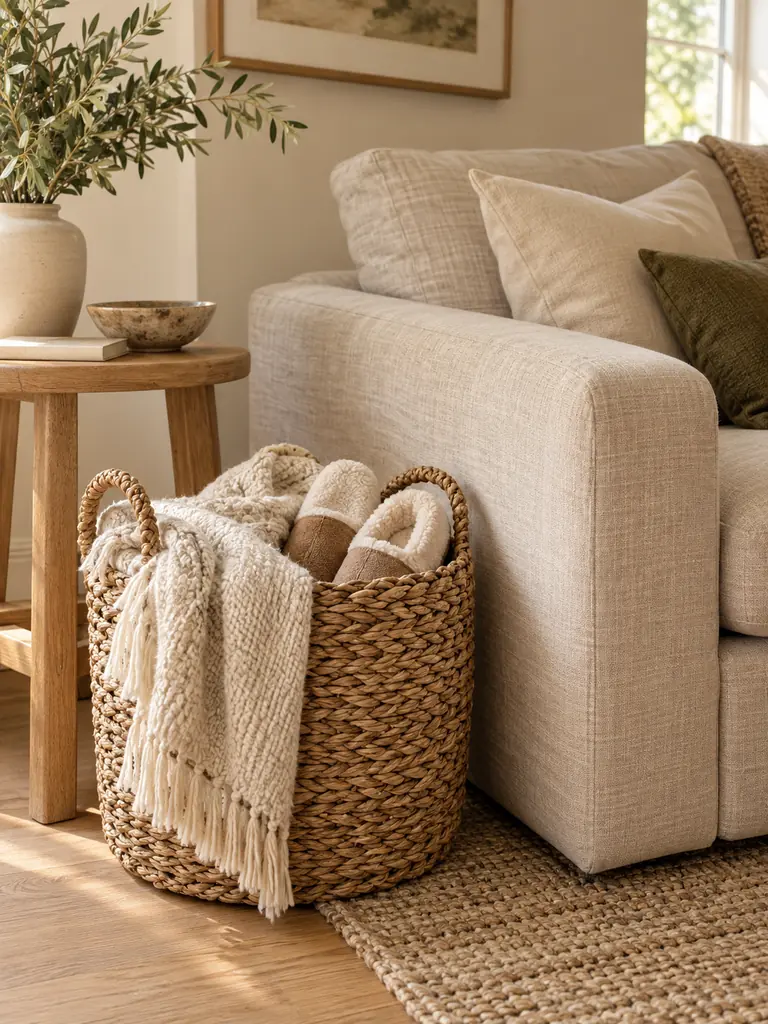
- Choose a medium woven or fabric basket that fits beside the sofa without blocking the walkway.
- Keep one or two throws inside rather than piling several across the seating.
- Add frequently used items such as a small cushion, reading glasses case, or slippers.
- Edit the basket regularly so it does not become hidden clutter.
Comfort feels more natural when useful things are close without covering every surface. A dedicated basket keeps soft essentials easy to grab while helping the room reset quickly after a busy evening. Choose a sturdy shape that stays upright, especially if blankets are used daily.
For a festive seasonal update that still keeps the room comfortable and uncluttered, explore these Christmas decor ideas for small spaces for clever ways to decorate with greenery, lights, textiles, and compact displays.
Sink-In Accent Chair
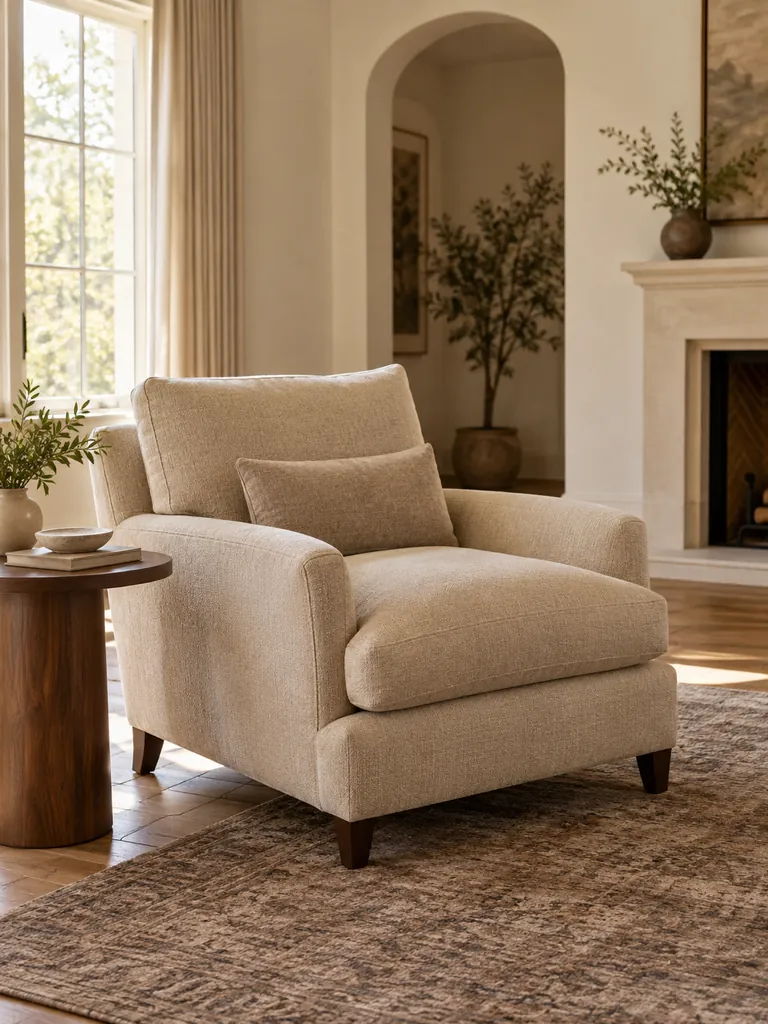
| Feature | Firm Chair | Sink-In Chair |
|---|---|---|
| Seat | Shallow and upright | Deeper and supportive |
| Back | Straight | Slightly reclined |
| Arms | Narrow or rigid | Padded and comfortable |
| Best use | Short visits | Longer relaxation |
Not every seat needs to behave like formal guest furniture. A deeper accent chair gives one person a comfortable place to read, chat, or unwind without taking over the sofa. Look for supportive cushioning rather than excessive softness, and check that your feet can still rest naturally.
Supportive Sofa Cushions
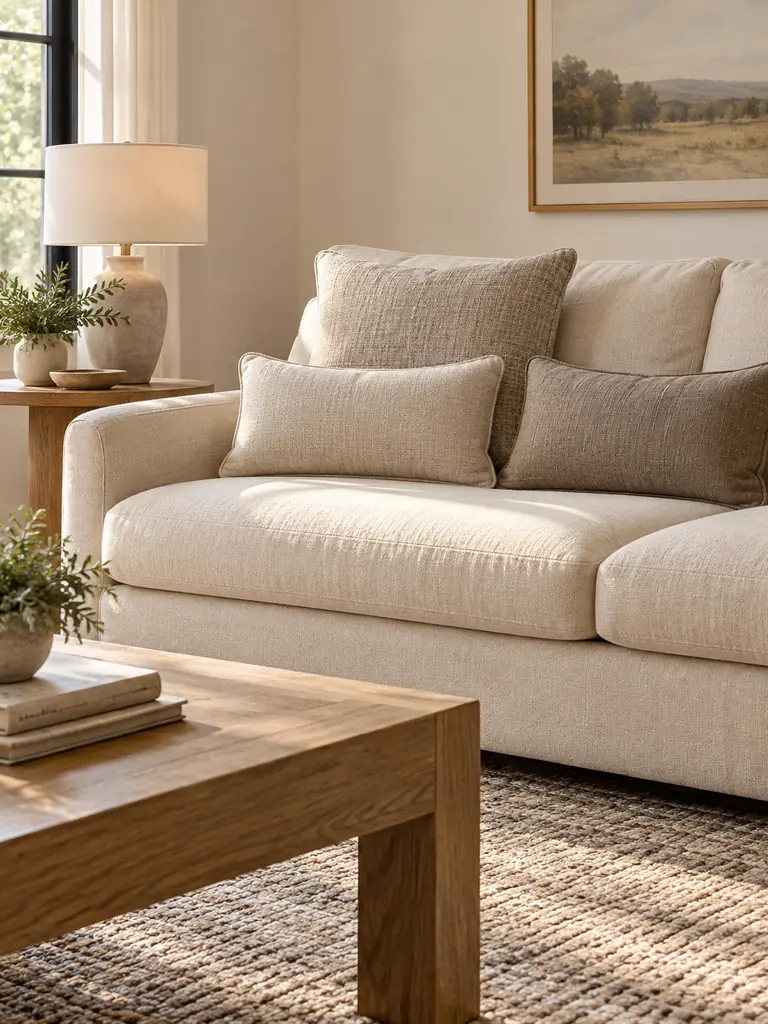
DO
- Choose a lumbar cushion that supports the natural curve of your lower back.
- Use firmer inserts for cushions meant for support rather than decoration.
- Keep enough open seat space to sit comfortably without moving pillows first.
- Select washable covers for cushions used every day.
DON’T
- Cover the entire sofa with decorative pillows.
- Choose oversized cushions that push your body toward the seat edge.
- Use flat inserts that provide little actual support.
- Mix so many cushion sizes that the sofa becomes inconvenient to use.
Supportive cushions can make an existing sofa more comfortable without adding another piece of furniture. Focus on where your body actually needs support, especially around the lower back. In my experience, two well-positioned cushions are often more useful than a large collection that needs rearranging every time someone sits down.
During the holidays, you can build on that cozy foundation with these apartment Christmas decor ideas for adding seasonal greenery, festive textiles, warm lighting, and renter-friendly details without making the living room feel crowded.
Inviting Solo Seat
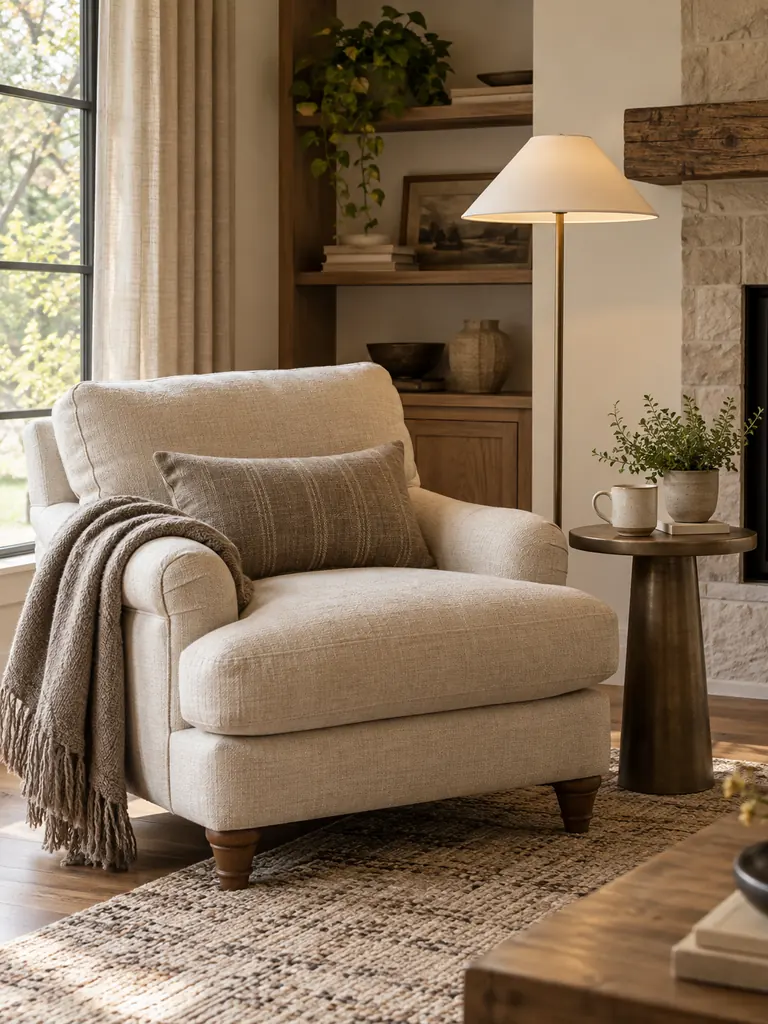
Best For: Reading, coffee breaks, quiet downtime
Works In: Empty corners or beside the main sofa
Skill Level: Beginner
Result: A more purposeful and comfortable seating layout
The most inviting seat often comes from small details rather than extra furniture. Angle one existing chair slightly toward the room, place a compact table within easy reach, and add a supportive lumbar cushion. I’ve seen this work well in overlooked corners that previously felt disconnected from the main seating area.
Padded Window Bench
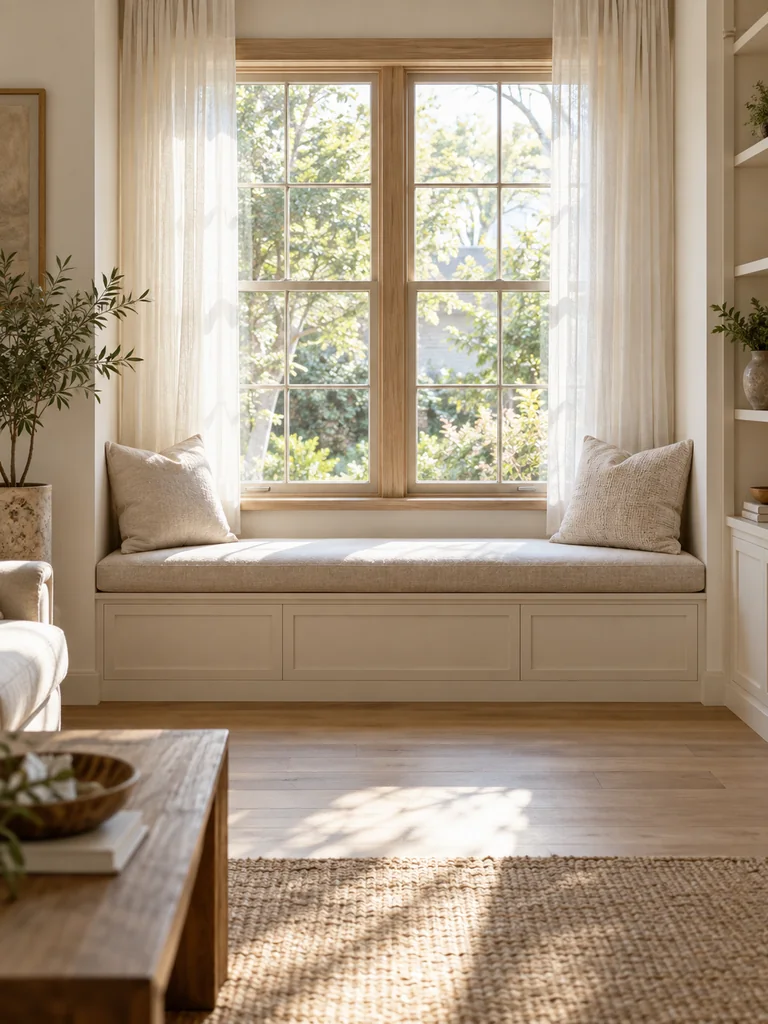
A window bench can turn unused wall space into seating that actually earns its footprint. Start with a firm upholstered cushion that fits the bench properly, then add one or two back cushions for support. Keep the window hardware, curtains, and ventilation completely accessible.
For everyday comfort, avoid covering the bench with decorative pillows that must be removed before anyone can sit down. A washable cushion cover is far more useful, especially in sunny windows where fabrics collect dust and fade faster. Add nearby storage only if it does not reduce comfortable legroom.
Cozy Chaise Lounge
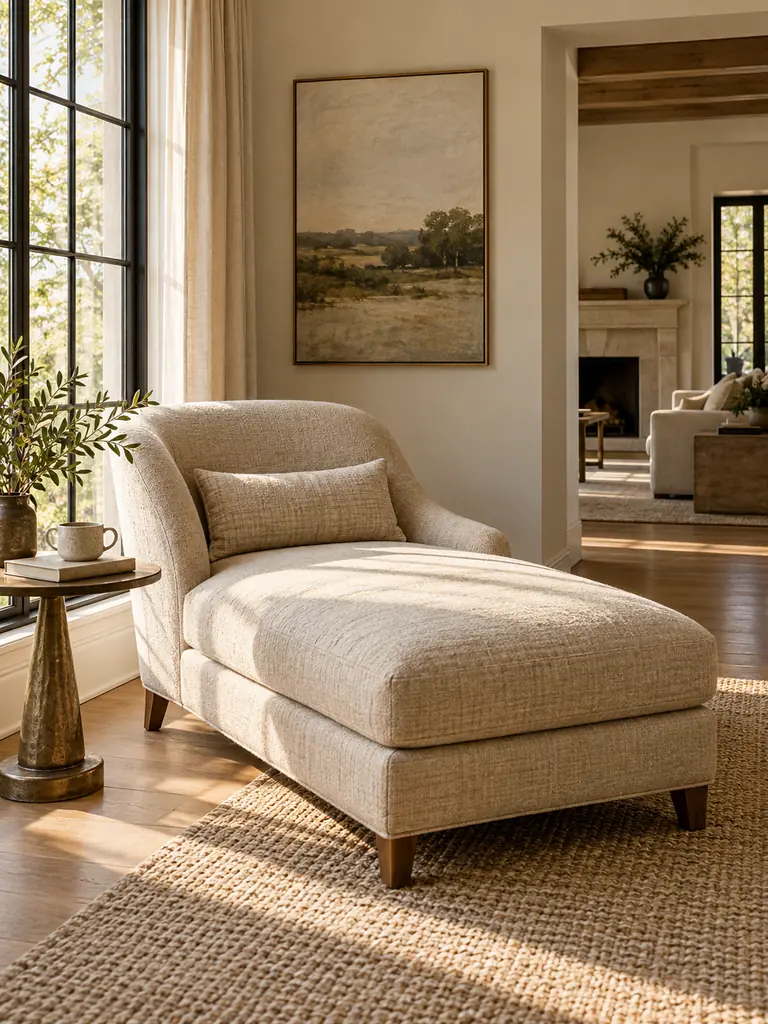
A chaise works best when it adds genuine lounging space without dominating the room.
- Place it along a quieter wall or near a window rather than across a busy walkway.
- Choose a seat depth that supports stretched legs without requiring extra furniture.
- Add one supportive lumbar cushion instead of covering the chaise with decorative pillows.
- Keep a small side surface nearby for a drink, book, or phone.
- Select durable upholstery if the chaise will become an everyday relaxation spot.
A chaise can give the living room a slower, more comfortable rhythm while keeping the main sofa available for conversation. Before buying one, measure the fully usable floor area and preserve an easy route around it. Slim arms and raised legs can also reduce visual bulk in smaller rooms.
Small Drinks Table
Quick Tip:
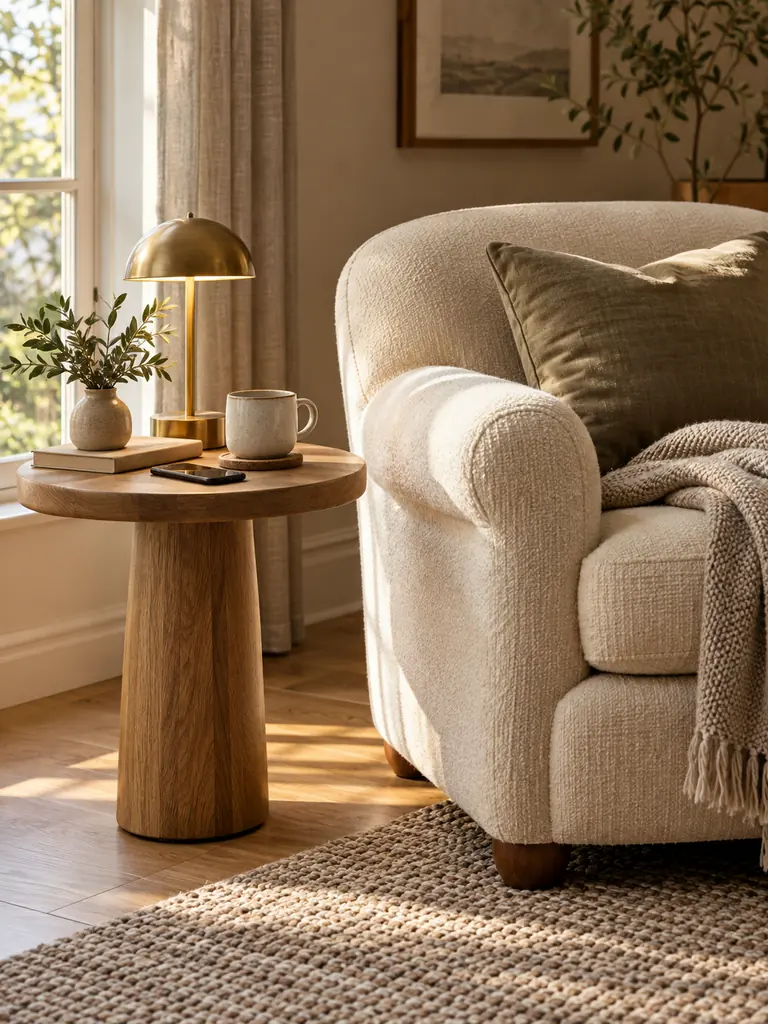
Position the table beside the seat rather than slightly behind it. You should be able to reach a mug or glass comfortably without twisting your shoulders or leaning far over the armrest.
Tiny surfaces can solve surprisingly annoying everyday problems. Choose a stable table just wide enough for a drink, phone, and perhaps a small lamp. Round designs are useful beside bulky seating because they remove protruding corners. Keep the tabletop mostly clear so it remains functional instead of becoming another display area.
No-Screen Corner
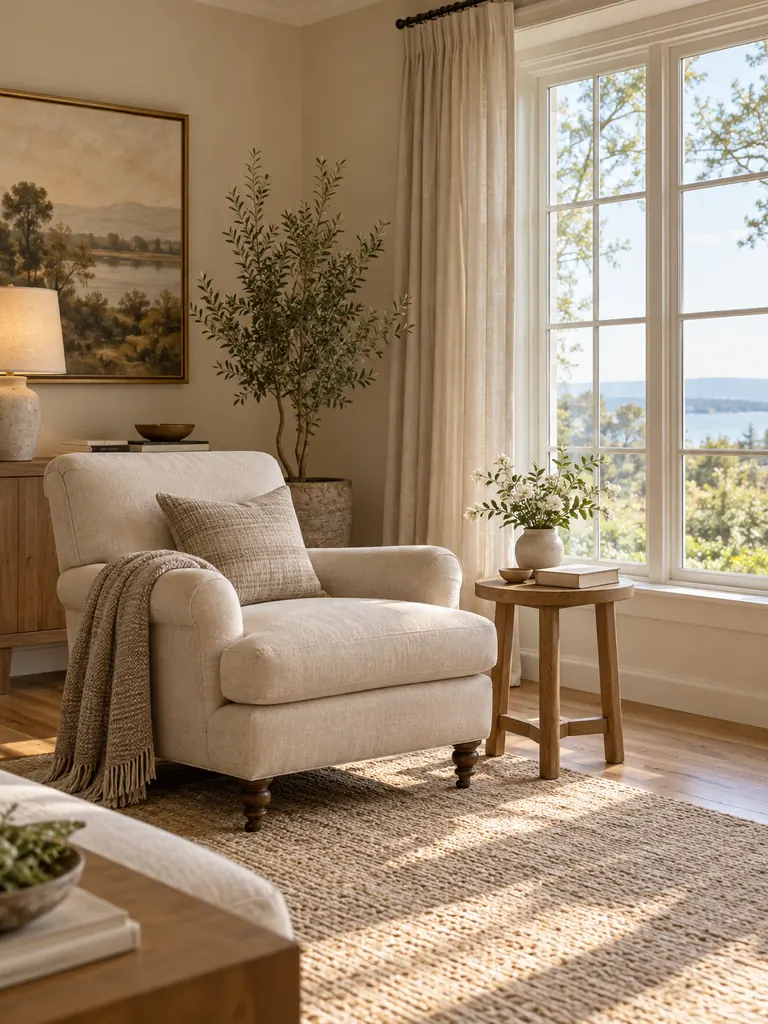
BEFORE
Every chair points toward the television, so the entire living room feels organized around watching a screen. Even an unused corner becomes part of the same setup rather than serving another purpose.
AFTER
One comfortable seat faces a window, artwork, or the room itself instead. A compact table and accessible book create a quiet place for reading, coffee, conversation, or simply sitting without automatically turning on the TV.
Creating one screen-free spot adds another way to use the living room without requiring a major layout change. Keep the setup intentionally simple so it stays restful. Among Cozy Living Room Ideas, this works especially well for households where the main room needs to support both entertainment and quieter daily routines.
For a festive touch, explore these small apartment Christmas decor ideas to create a cozy holiday corner with soft lighting, warm blankets, and simple seasonal accents.
Fabric-Wrapped Edges
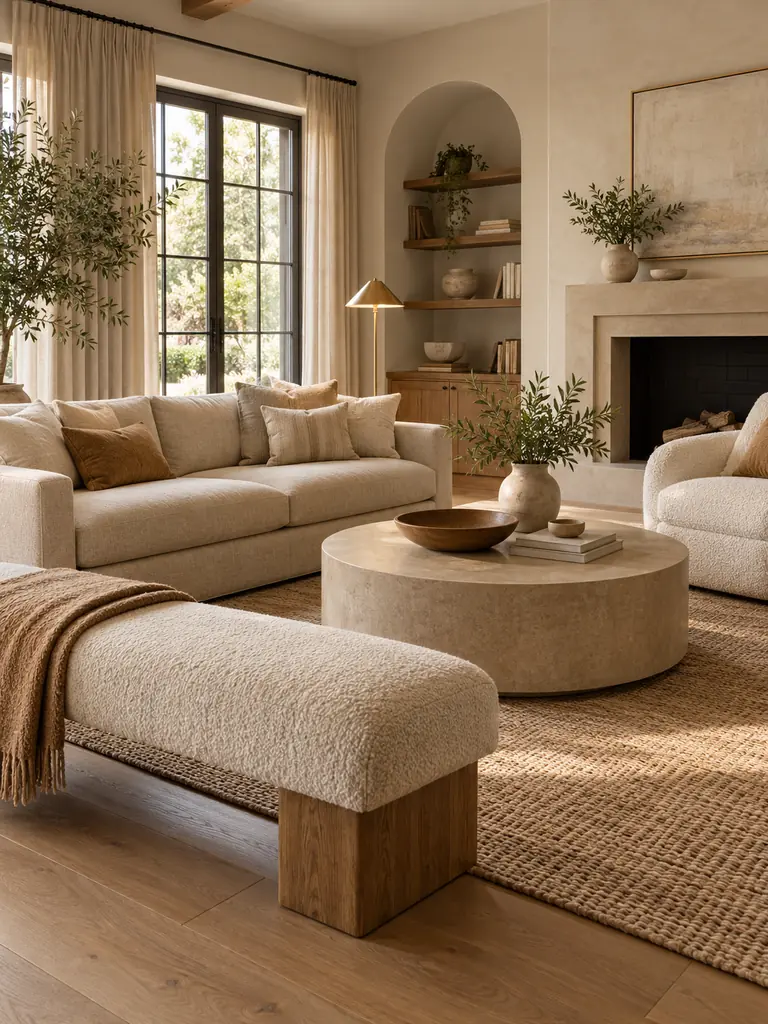
- Identify the hardest-looking pieces first, such as a sharp bench, rigid chair, or exposed furniture edge.
- Introduce one upholstered piece nearby to soften the contrast without replacing everything.
- Choose tactile fabrics such as linen blends, brushed cotton, boucle, or tightly woven upholstery.
- Repeat the fabric texture once elsewhere so the choice feels intentional.
Too many hard surfaces can make a living room feel visually stiff and acoustically harsh. Upholstered edges introduce softness exactly where the eye needs relief. Keep fabrics practical for daily use, especially around children or pets, and avoid loose coverings that constantly slip out of place.
Comfortable Flooring
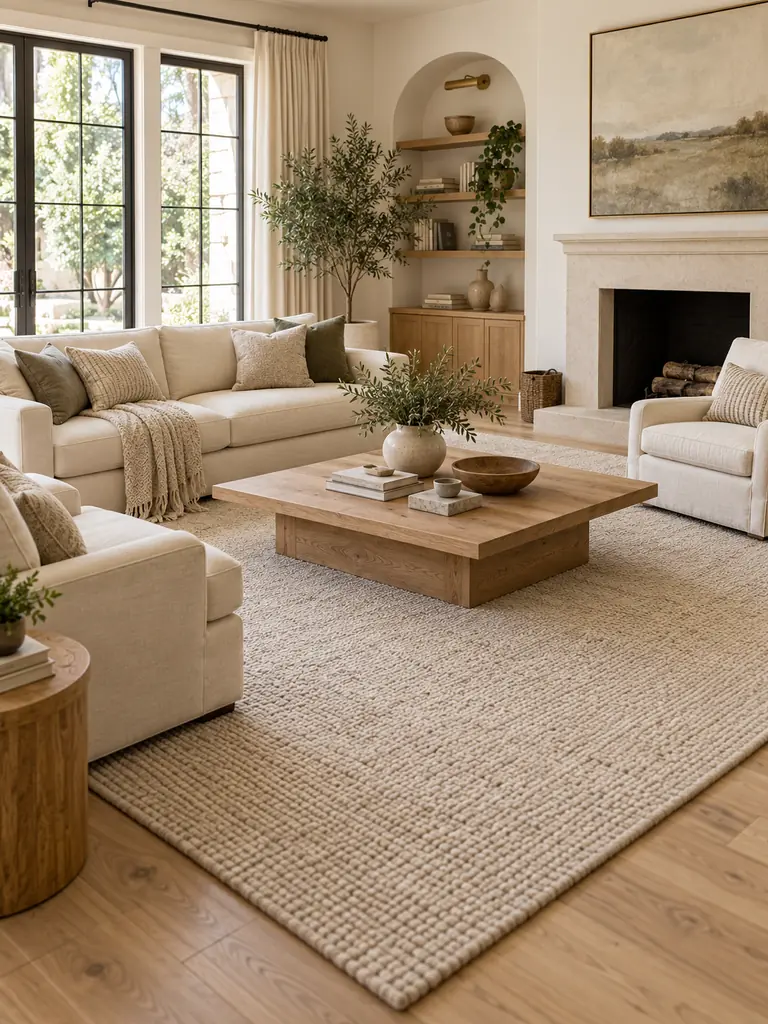
| Feature | Bare Hard Floor | Softer Floor Setup |
|---|---|---|
| Underfoot feel | Cool and firm | Cushioned and warmer |
| Sound | More noticeable echo | Softer room acoustics |
| Seating zone | Less defined | Clearly anchored |
| Daily comfort | Limited | More inviting |
Floor comfort matters because you experience it every time you cross the room, sit down, or walk barefoot. A properly sized rug with a suitable rug pad adds cushioning without introducing extra furniture. Choose a low or medium pile in busy households, since it is generally easier to clean and move across.
Relaxed Floor Pouf
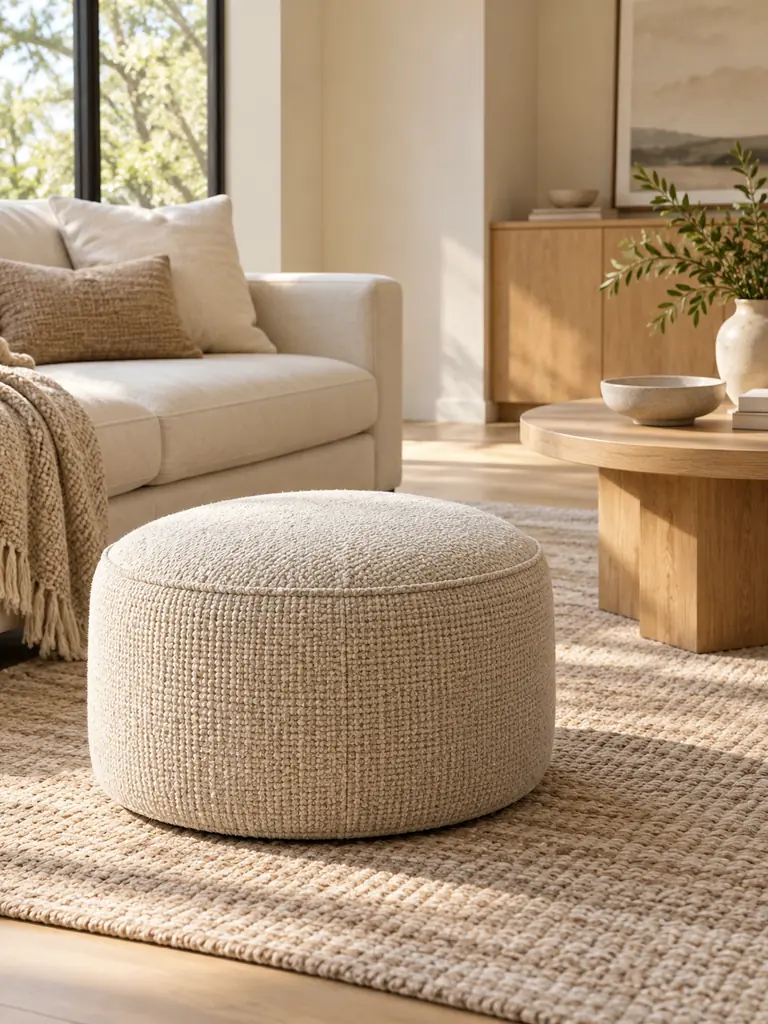
DO
- Choose a pouf firm enough to support feet or occasional seating.
- Keep its scale proportional to the sofa and surrounding furniture.
- Select a durable cover suited to frequent handling.
- Move it aside when extra floor space is needed.
DON’T
- Block the main path between seating and doorways.
- Choose a floppy filling that quickly loses its shape.
- Treat the pouf as permanent seating for long periods.
- Add several poufs where one would be enough.
A lightweight pouf gives the room flexibility without committing valuable floor space to another chair. It can support tired feet, offer a temporary perch, or move beside a coffee table during casual gatherings. For smaller rooms, choose one that slides partly beneath another piece when it is not needed.
Open Center Layout
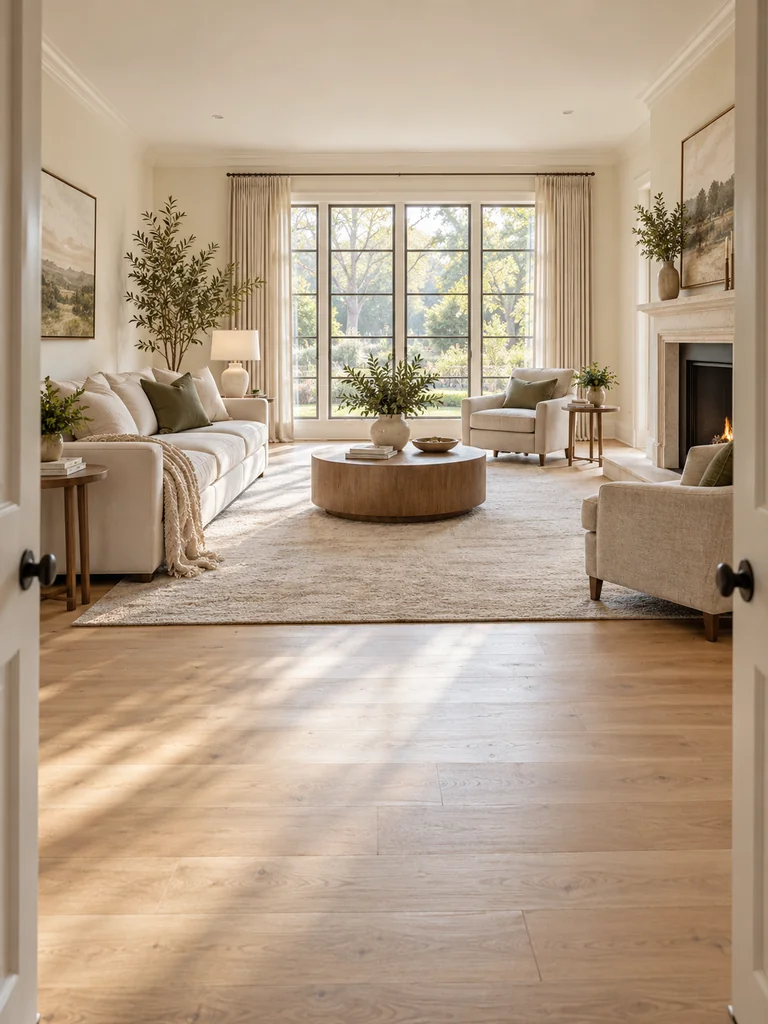
Best For: Small and medium living rooms
Works In: Busy family spaces and compact layouts
Difficulty: Beginner
Result: Easier movement and a calmer furniture arrangement
An open center gives people room to move without squeezing between furniture. Pull unnecessary stools, baskets, and small tables away from the main circulation path, then check how naturally you can cross the room. I’ve noticed that even modest open floor space can make a furniture-heavy living room feel less crowded.
For more ways to make limited floor space feel comfortable and functional, explore these small apartment living room ideas.
Conversation-Friendly Seating
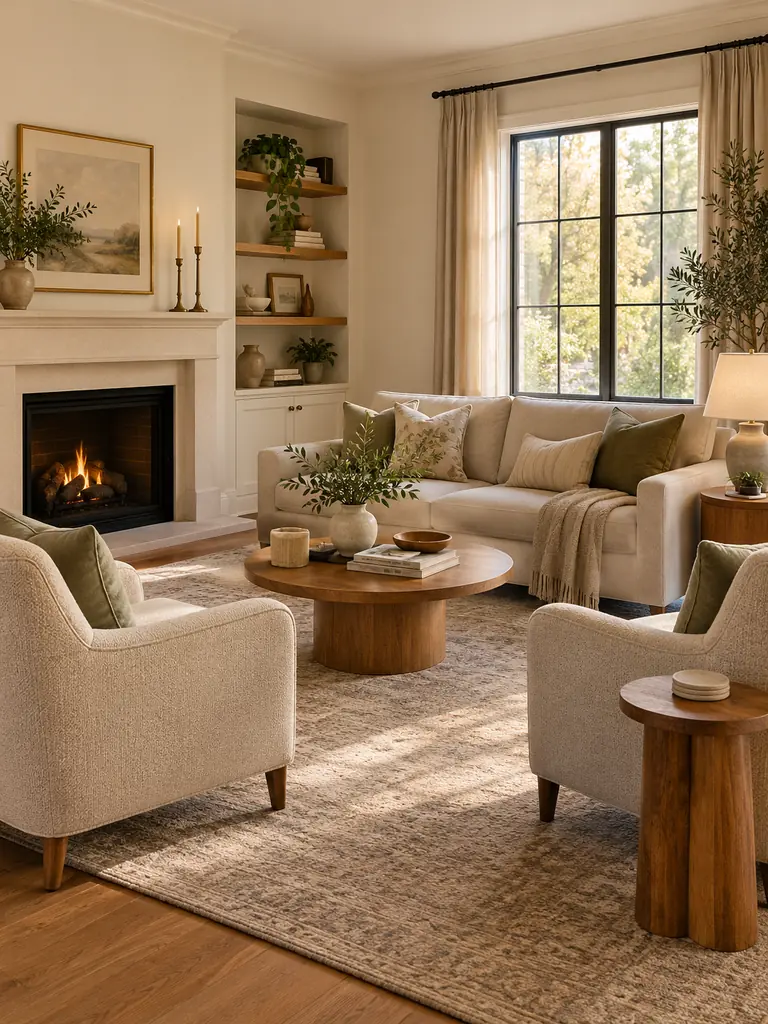
Comfortable conversation depends on more than having enough chairs. Arrange the main seats close enough that people can speak normally without leaning forward or raising their voices. Angle occasional chairs toward the sofa instead of lining every piece against the walls.
Keep a practical surface accessible from each seating area, but avoid filling the gap between people with oversized furniture. A balanced arrangement should support eye contact while leaving a natural route into and out of the seating group. Test the layout by actually sitting in each chair before settling on its position.
When the holiday season arrives, explore these Christmas living room decor ideas for adding festive pillows, cozy throws, seasonal greenery, and elegant decorations while keeping your seating area comfortable for family and guests.
Hidden Everyday Storage
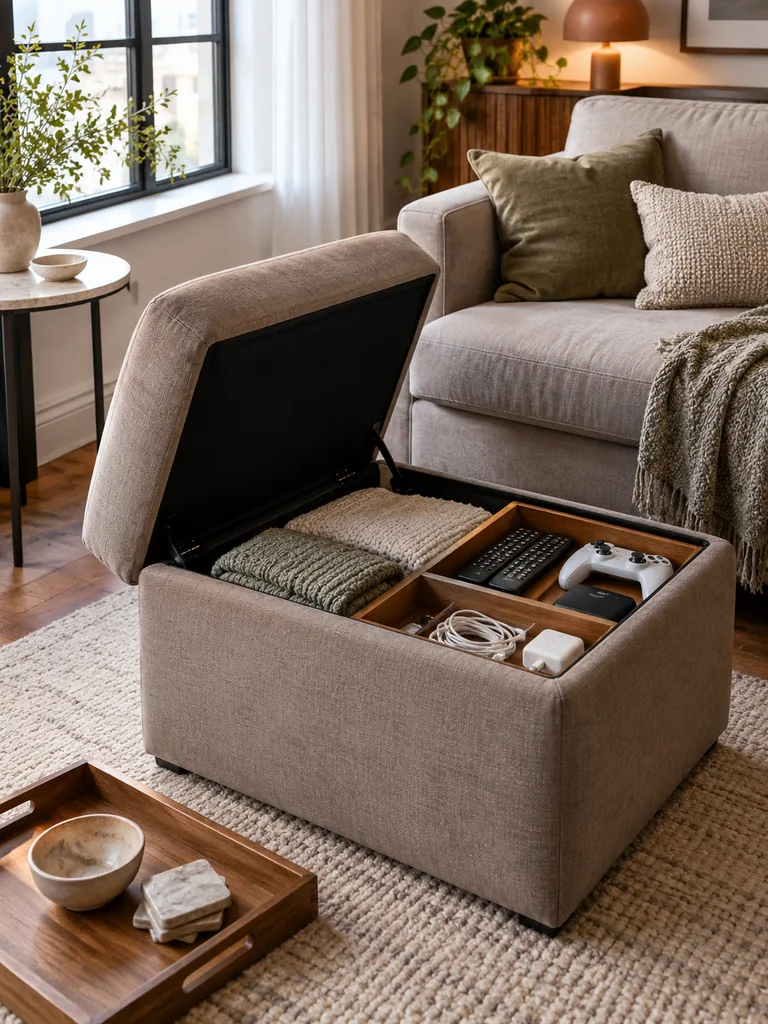
Daily clutter feels much less distracting when frequently used items have a predictable place. A closed cabinet, storage ottoman, or drawer beside the sofa can hold remotes, chargers, gaming accessories, magazines, and other small essentials without removing them from reach.
The useful test is simple: can you put the room back in order in a few minutes? Storage should match what your household genuinely uses rather than becoming a place to hide random belongings. Keep the most frequently reached items near their usual seating area and clear out unused pieces regularly.
Sound-Softening Upholstery
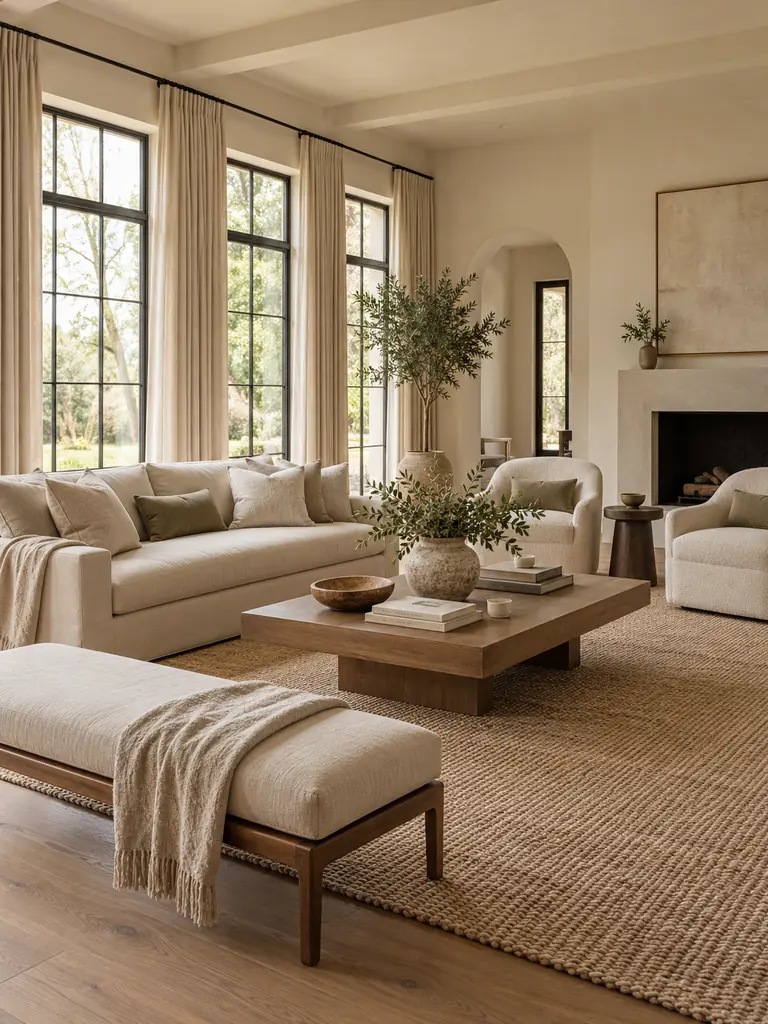
Rooms with hard flooring, bare walls, and large windows can feel surprisingly noisy even when nobody is speaking loudly.
- Choose a fabric sofa or armchair to introduce a large sound-absorbing surface.
- Add upholstered dining-style chairs only if the living room serves multiple purposes.
- Use lined curtains where uncovered windows create noticeable echo.
- Place a padded bench against an otherwise hard, empty wall.
- Keep enough soft material in the room without overcrowding it with textiles.
Reducing echo makes conversation, television, and everyday activity feel less harsh. Upholstery helps absorb some reflected sound while also making the room visually softer. Focus first on larger fabric surfaces rather than scattering many small accessories, especially in open-plan homes with extensive hard flooring.
Two-Person Retreat
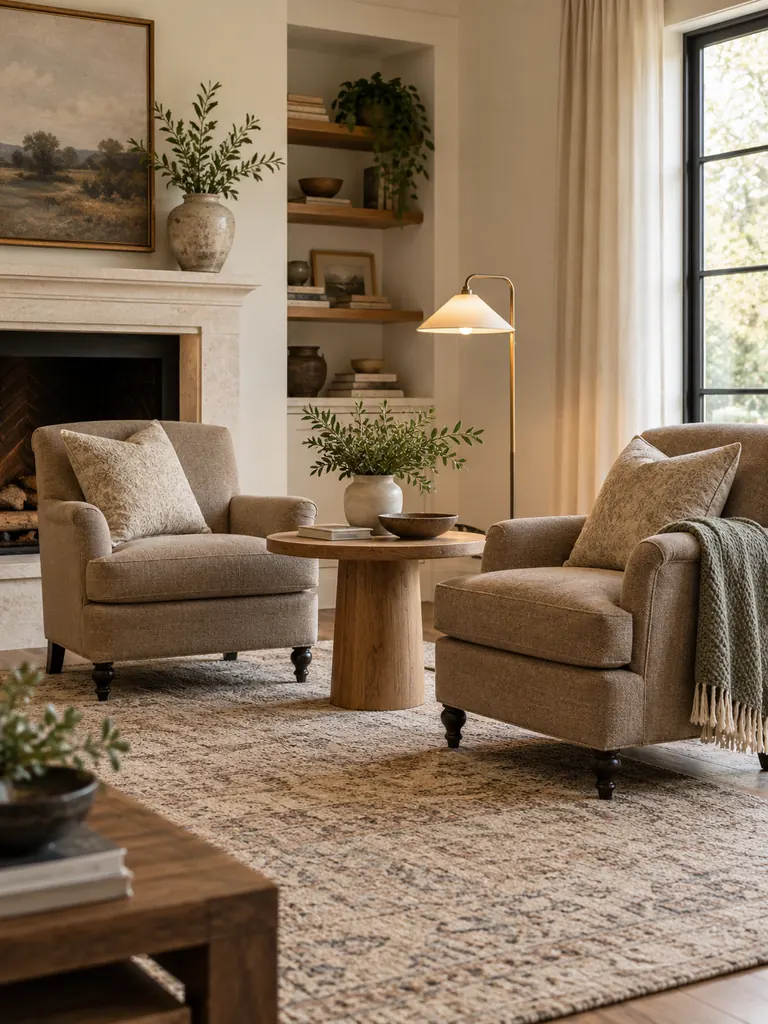
Quick Tip:
Choose two seats that offer similar comfort rather than pairing one generous chair with an awkward spare. Place a shared table within easy reach and keep enough space around both chairs for comfortable entry and exit.
A small two-person seating area can make an underused part of the living room genuinely functional. Angle the chairs slightly toward each other for coffee, conversation, or evening reading. Matching chairs are not required. Similar seat heights and visual weight usually create enough balance while allowing each piece to have its own character.
Evening Wind-Down Zone
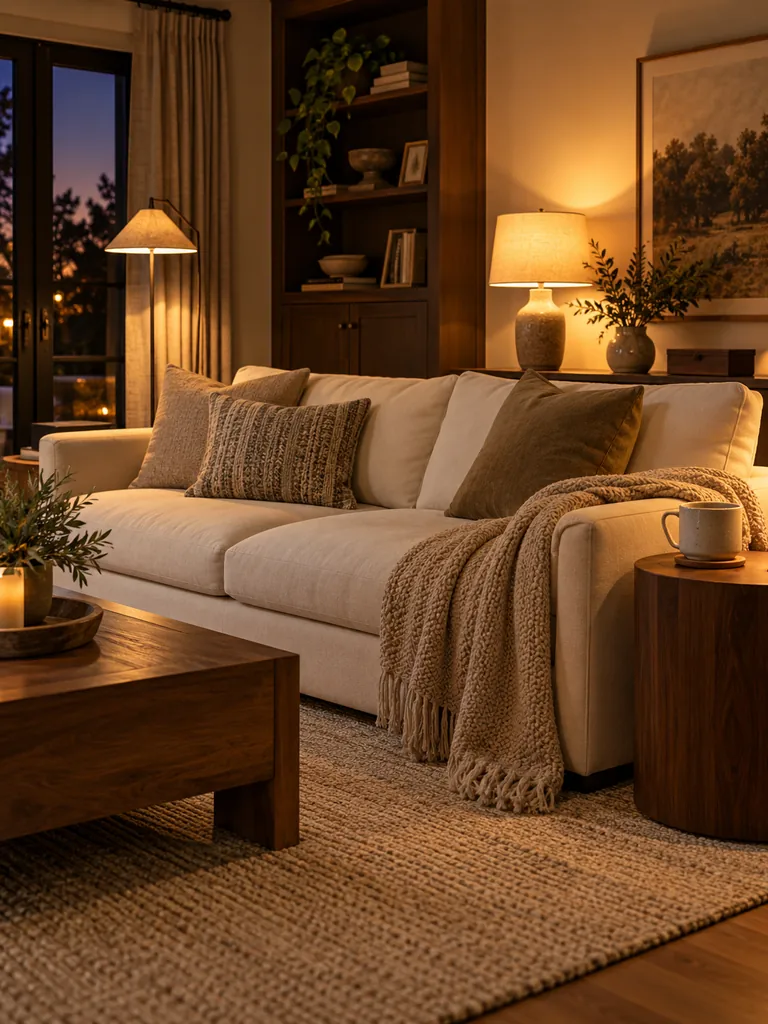
BEFORE
Bright overhead lighting stays on until bedtime, remotes and chargers cover nearby surfaces, and the seating area still feels geared toward daytime activity. Relaxing requires clearing space or adjusting several things first.
AFTER
Frequently used evening items have a designated place, harsh overhead lights are switched off, and softer task lighting supports reading or conversation. The room can shift into a calmer setting within minutes without rearranging furniture.
A relaxing evening routine works better when the room supports habits you already have. Keep a lamp reachable from your usual seat and store nighttime essentials nearby. Simple adjustments are easier to maintain than elaborate styling, so focus on changes you can reset quickly before bed or the following morning.
If you enjoy adding seasonal warmth too, these fall living room decor ideas offer more ways to create a cozy atmosphere without sacrificing everyday comfort.
Furniture Breathing Room
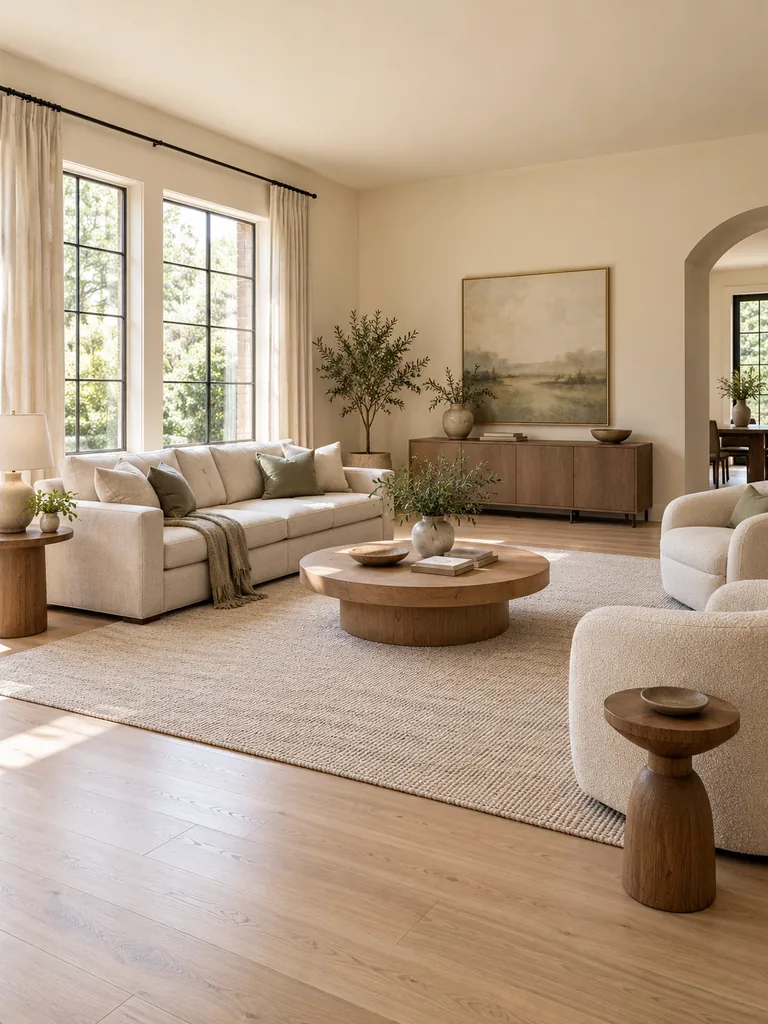
Best For: Crowded or furniture-heavy rooms
Works In: Small and medium living spaces
Difficulty: Beginner
Result: Cleaner sightlines and easier movement
Furniture needs a little separation to feel intentional rather than squeezed together. Leave practical gaps between chairs, tables, cabinets, and walkways instead of filling every available corner. Even moving one side table or chair elsewhere can improve circulation. Measure important paths before adding anything new, especially in compact rooms with multiple entry points.
If you’re working with a rental apartment, explore these rental apartment living room ideas for flexible furniture layouts and stylish decorating solutions without permanent changes.
Everyday Living Layout
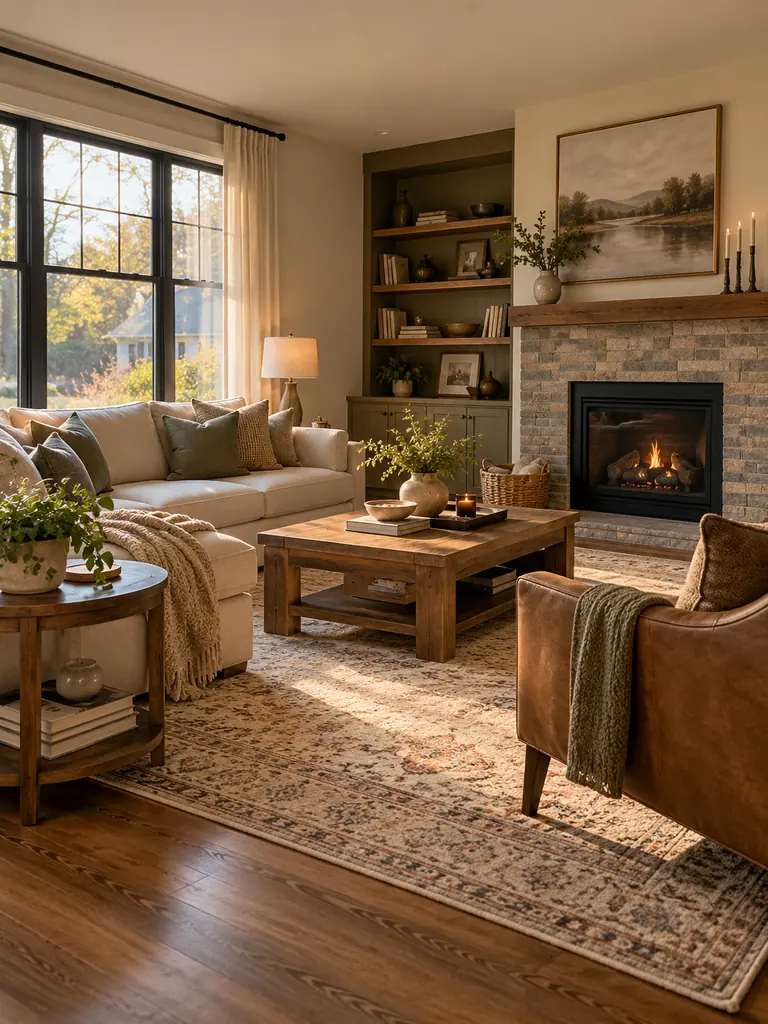
The most comfortable rooms usually reflect what people actually do there, not how a styled photo suggests they should live. Start by noticing where you naturally sit, walk, set down a drink, charge devices, read, or gather with family.
I’ve found that layouts become easier to maintain when furniture supports those existing habits. Keep frequently used surfaces accessible and leave busy routes unobstructed. For practical Cozy Living Room Ideas, prioritize comfortable movement and useful seating before decorative symmetry. A room that functions naturally tends to stay welcoming with much less daily rearranging.
Conclusion
A relaxing living room is built around comfort, function, and the way you actually spend time at home. These Cozy Living Room Ideas show how thoughtful seating, clearer pathways, softer surfaces, and practical storage can make everyday routines feel easier and more enjoyable. Start with one change that solves a real problem in your room, then build from there. I’ve seen how even small adjustments can make a familiar space feel noticeably calmer and more welcoming. Save this post on Pinterest for later, try your favorite ideas, and share it with someone who wants a cozier place to unwind.